Action of Committee on Foreign Relations
THE events in the northwest aroused a war-spirit among the people of our country that could not be repressed, and only in New England did counsels for peace prevail. That the Indians were incited to make war on our frontier settlers by British emissaries was fully proven, and admitted by Tecumtha and others. The British orders in council continued to be vigorously enforced. Insult after insult was offered to the American flag by British cruisers; and the press of Great Britain insolently declared that the Americans "could not be kicked into a war."
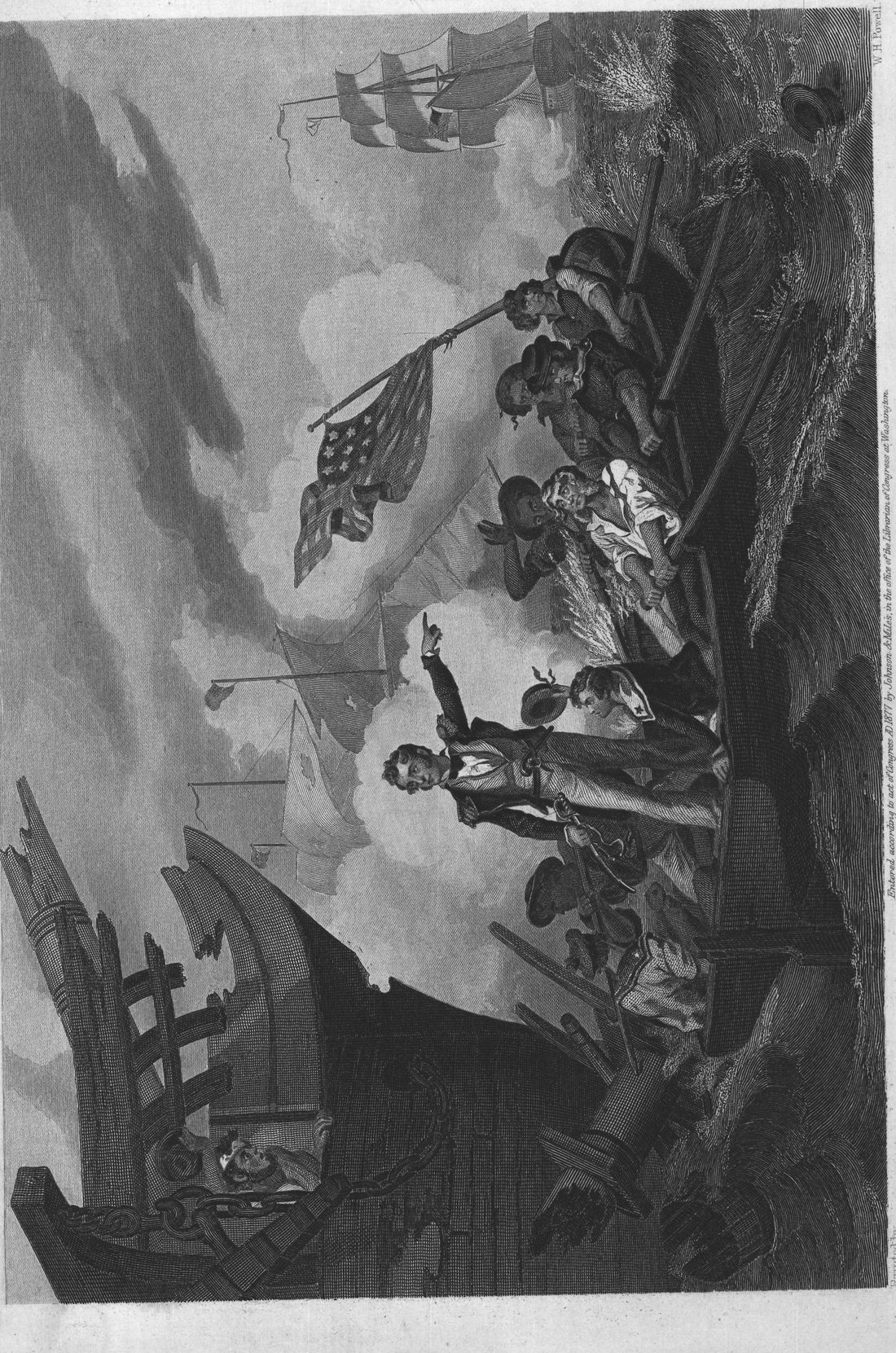
Forbearance became no longer a virtue. It seemed like cowardice. The timid President Madison, finding himself the standard-bearer of his party, and like a cautious sachem surrounded by irrepressible young warriors eager for fight, felt compelled to sound a war-trumpet, though a feeble one, in his annual message at the beginning of November, 1811. The young and ardent members of the House of Representatives, who had elected Henry Clay, then thirty-four years of age, Speaker, determined that indecision should no longer mark the councils of the nation. The Committee on Foreign Relations, of which Peter B. Porter was chairman, intensified that feeling by an energetic report submitted on the 29th of November, in which, in glowing sentences, the British government was arraigned on charges of injustice, cruelty, and wrong. They said: "To sum up, in a word, the great cause of complaint against Great Britain, your committee need only say, that the United States, as a sovereign and independent power, claims the right to use the ocean, which is the common and acknowledged highway of nations, for the purposes of transporting, in their own vessels, the products of their own soils and the acquisitions of their own industry to a market in the ports of friendly nations, and to bring home, in return, such articles as their necessities or convenience may require, always regarding the rights of belligerents as defined by the established laws of nations. Great Britain, in defiance of this incontestable right, captures every American vessel bound to or returning from a port where her commerce is not favored; enslaves our seamen, and, in spite of our remonstrances, perseveres in these aggressions. To wrongs so daring in character and disgraceful in their execution, it is impossible that the people of the United States should remain indifferent. We must now tamely and quietly submit, or we must resist by those means which God has placed within our reach. The sovereignty and independence of these States, purchased and sanctified by the blood of our fathers, from whom we received them, not for ourselves only, but as the inheritance of our posterity, are deliberately and systematically violated. And the period has arrived when, in the opinion of your committee, it is the sacred duty of Congress to call forth the patriotism and the resources of the country. By the aid of these, and with the blessing of God, we confidently trust we shall be able to procure that redress which has been sought for by justice, by remonstrance and forbearance, in vain."
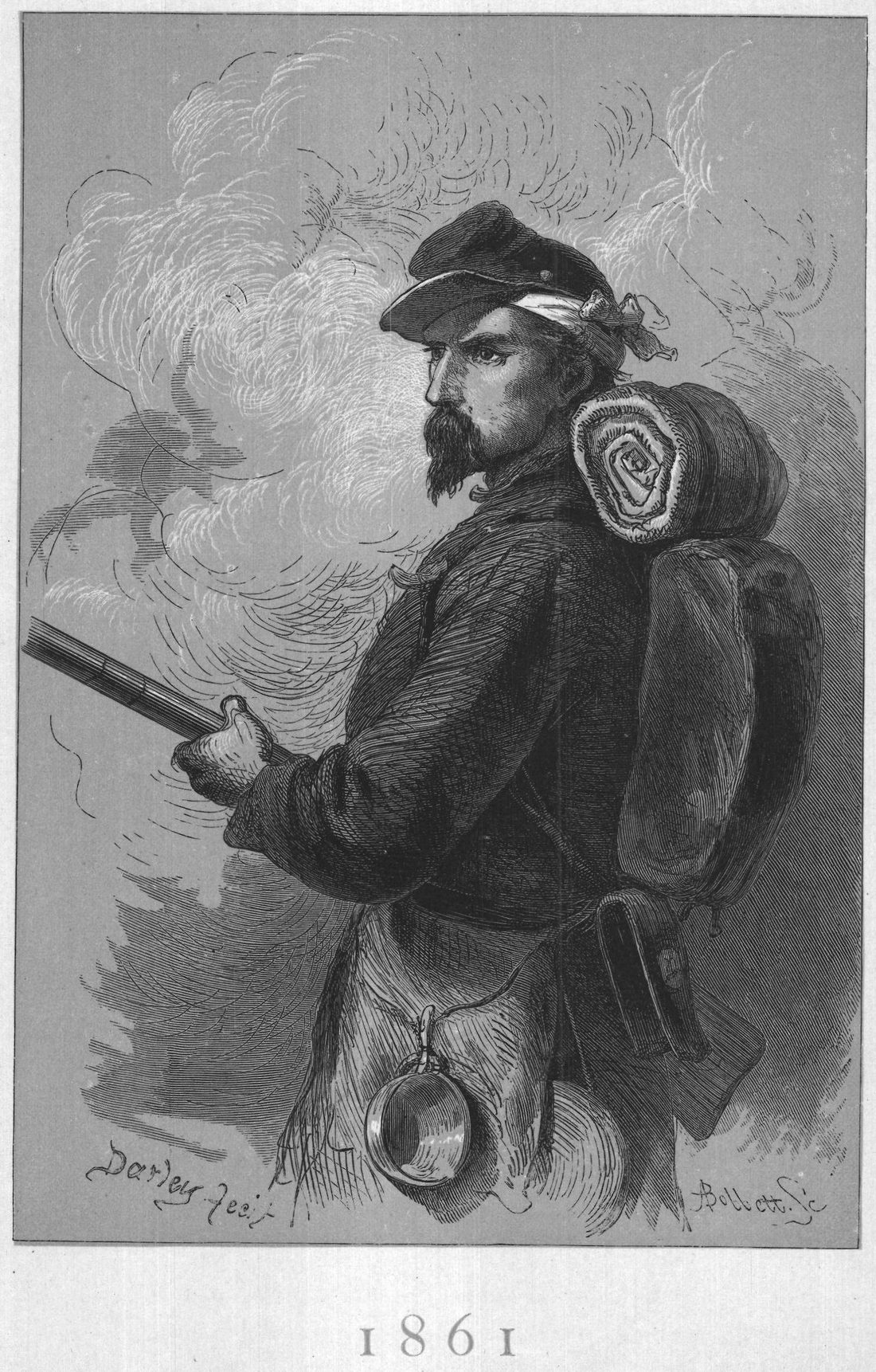
The report went over the land as rapidly as the mails of that day, in the absence of railroads, could then carry it, and made a profound impression upon the public mind. Resolutions, drawn in accordance with the spirit of the report, were appended to it, and these elicited earnest debates. In these debates, John C. Calhoun, then less than thirty years of age, warmly engaged. It was the beginning of his long and remarkable public career. He made his maiden speech in favor of war, and charmed his listeners. John Randolph, always happy when in opposition to everybody, spoke vehemently against them. The Federalists, whose policy had always been to be prepared for war, said very little, for the resolutions recommended only such preparation. They were adopted, and bills were speedily prepared and passed for augmenting the military force of the country. Additional regulars, to the number of twenty-five thousand men, were authorized; also two major-generals and five brigadier-generals, in addition to those then in office. A million of dollars were appropriated for the purchase of arms, ammunition and stores for the army, and four hundred thousand dollars for powder, cannon, and small-arms for the navy. There was also provision made for volunteers; the whole number of the latter, with the regulars, swelling the army, in prospective, from about three thousand men of the peace establishment, to more than seventy thousand. The President was authorized to call upon the governors of States to furnish each his respective quota of one hundred thousand militia, to be held in readiness for instant service when called upon. The navy was neglected, and very little was done to increase its efficiency. It, however, weak and scorned as it was, proved to be the strong right-arm of the nation, in winning the greatest glory in the conflict that ensued.