The "Boston Tea-Party"
When Mr. Quincy ceased speaking, it was sunset and the church was lighted by candles. The question was put, and the thousands answered in the affirmative. There was a call for Mr. Rotch, but he had not returned. He came soon afterward, and reported that the governor peremptorily refused him permission to send his vessel to sea before the tea should be landed. A murmur ran through the vast assemblage, but the rising excitement was hushed into silence when Samuel Adams arose, and in a clear voice said: "This meeting can do no more to save the country." At that moment a person with painted face and dressed like an Indian gave a war-whoop in the gallery, which was responded to in kind from the door of the meeting-house. Another voice in the gallery shouted: "Boston harbor a teapot to-night! Hurrah for Griffin's Wharf!" The meeting instantly adjourned and the people rushed for the street, and pushed toward Griffin's Wharf, following a number of men disguised as Indians. The populace cheered. Guards were posted to keep order. Among them was John Hancock. The disguised men and others then went on board the tea-ships moored at Griffin's Wharf, and in the course of three hours they emptied three hundred and forty-two chests of tea into the water of the harbor. The operation was performed in the presence of a multitude who were silent spectators of the scene. It was done at an early hour in the evening--a bright, cold, moonlit evening--and of the sixty men who went on board the tea-ships, only a part of them were disguised as "Mohawks." It was not a mob that destroyed the tea, but sober citizens. It was not a mob that were spectators of the scene, but a well-behaved audience looking upon a serious and most significant pantomime. It was the work of patriotic men, encouraged by patriotic citizens, who were determined not to be trifled with any longer. When the work was done--when Boston harbor had been made a vast "teapot"--the streets of the town became as quiet as a Sabbath evening. "All things," wrote John Adams to James Warren, "were conducted with great order, decency, and perfect submission to government." Early the next morning the Committee of Correspondence appointed Samuel Adams chairman of a sub-committee to draw up a statement of what had been done with the tea, and then they sent Paul Revere as express to carry the document to the Sons of Liberty in New York and Philadelphia. Of the immediate actors on board the tea-ships on that eventful night, the names of fifty-nine are known. The last survivor of the band was David Kinnison, who died in Chicago in 1851, at the age of one hundred and fifteen years.
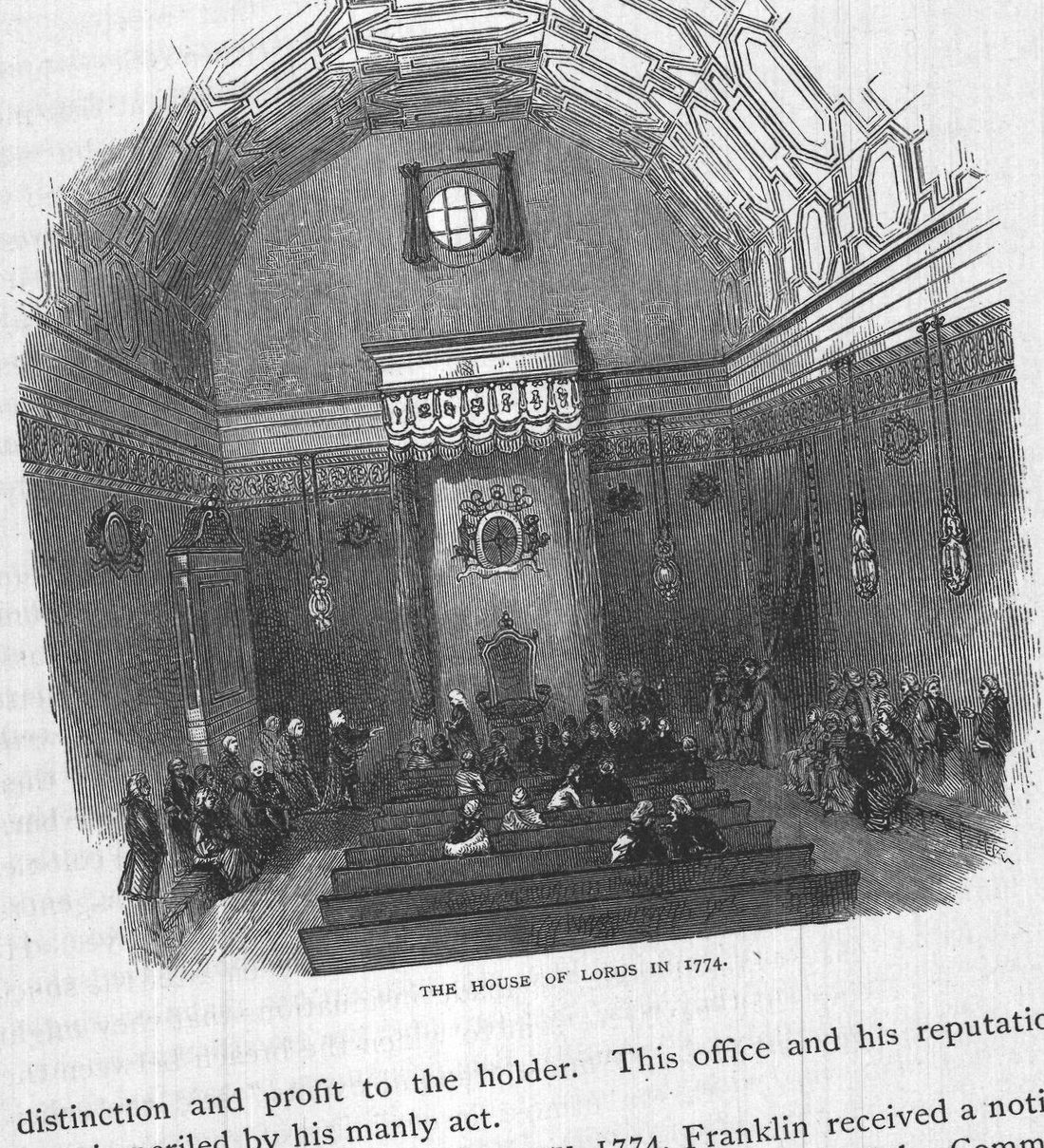
The audacity and firmness of the Bostonians were applauded throughout the colonies. Even in Canada and the British West Indies there were but feeble voices of censure. But among the crown-officers in America and the ministerial party in Great Britain there was fierce wrath. Hutchinson threatened, but so softly, because of his fears, that it barely sufficed to shield him from the frowns of the ministers. The friends of the Americans in Parliament were silent for a moment, because they could not justify the destruction of private property; but the assurance sent to the East India Company, that the town of Boston would pay for every pound of tea destroyed on that occasion, loosened their tongues, and they made good use of the freedom for the benefit of the Americans. The whole dispute still rested upon the original foundation--the denial of the right of Great Britain to tax the colonies without their consent. It was this fact, more than the destruction of the property, that excited the ire of the king and his ministers, and made the House of Lords like a "seething caldron of impotent rage." The honesty of the Americans was overlooked, and the ministry saw nothing in the proceedings at Boston but open rebellion.
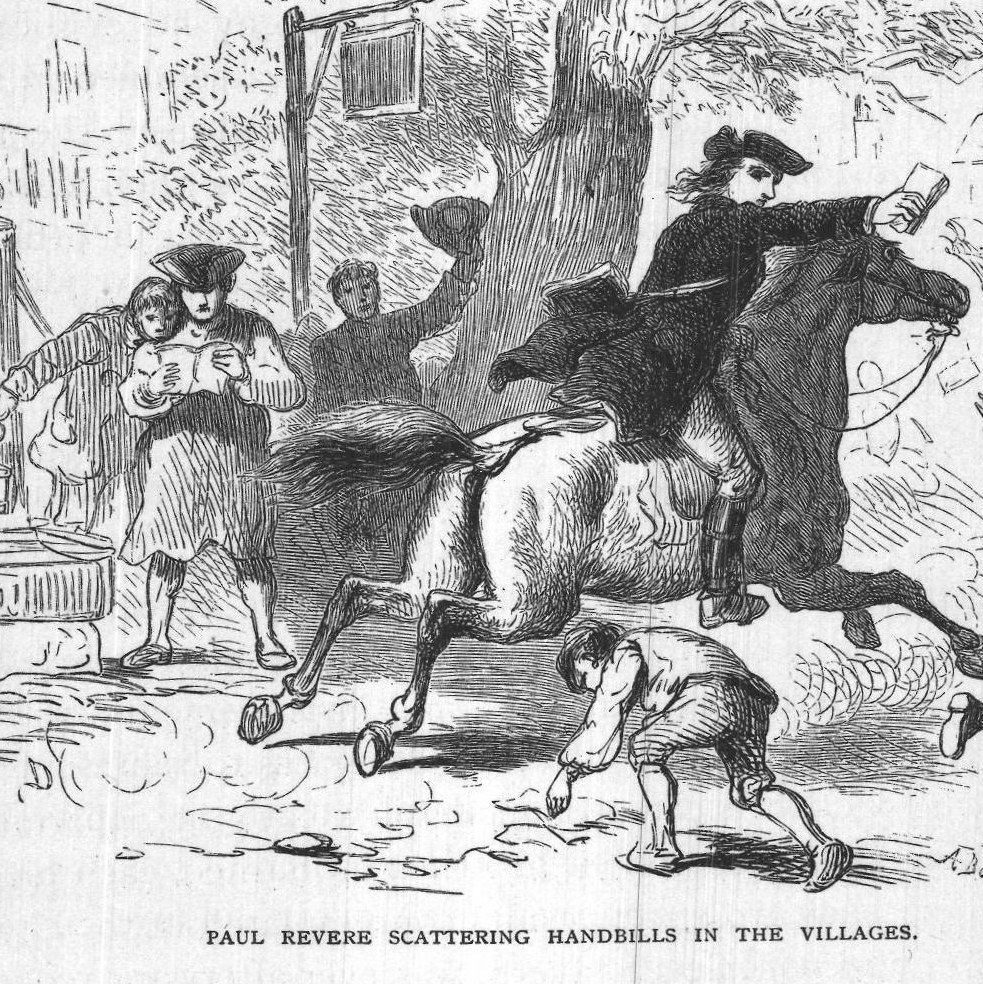
The news of the "Boston Tea-party" reached England in January (1774), but it was not officially announced until early in March. The king had waited for overwhelming evidence of the wickedness of the Americans which he found in letters from Governor Hutchinson and Admiral Montagu, the consignees of the tea, the letters of other royal governors in whose respective colonies there had been serious threatenings, and a large number of inflammatory handbills. All of these were sent by the king to Parliament with a message, in which he asked that body to devise means for the immediate suppression of tumultuous proceedings in the colonies. The House of Commons proposed an address of thanks to the king, and assurance that he should be sustained in efforts to maintain order in America. This address excited angry debates. The House became "as hot as Faneuil Hall or the Old South Meeting-house in Boston," said Burke. "There is open rebellion in America, and it must be punished," cried the Ministerial party. "Repeal your unjust laws and deal righteously with the Americans, and there will be peace and loyalty there," retorted the Opposition. After a long and stormy debate, the address was adopted by an overwhelming majority.