Seat of the National Government Considered
The national debt was a subject that demanded the earnest attention of Congress; but that body, having put the machinery of government in motion, deferred the consideration of its operations in detail until their next session. They contented themselves with directing the Secretary of the Treasury to prepare and report a plan for the liquidation of that debt, at the next session. The subject of the public lands was also an important one, but Congress did nothing more than to recognize and confirm the ordinance of 1787 for the establishment of the Northwestern Territory. They fixed the salaries of the several officers of the government at a very low rate of compensation as compared with other nations; and toward the close of the session, which ended in September, the question respecting the permanent seat of the national government was called up and produced much excitement in and out of Congress. New York and Philadelphia were the chief aspirants for the honor. Maryland and Virginia resolved to fix the site on the Potomac. After much debate and the passage back and forth of amended bills between the two Houses, the subject was postponed until the next session.
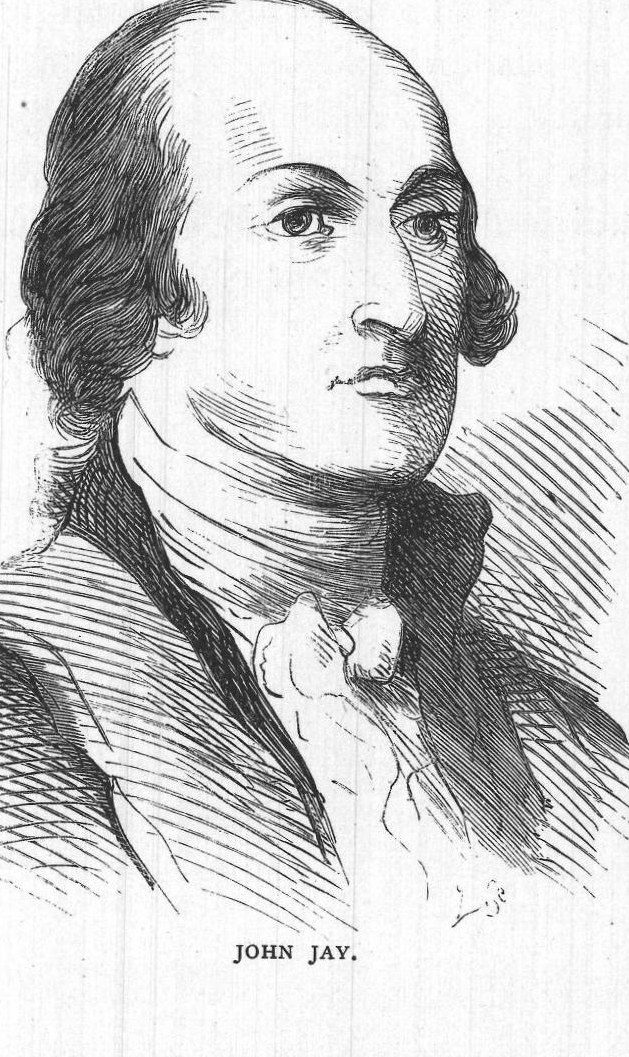
Congress adjourned for three months on the 29th of September. The President, who had been confined to his bed six weeks in the summer with a severe malady which, at one time, put his life in peril, resolved to make a journey into New England during the recess, in search of renewed strength and to become better acquainted with the country and the inhabitants. Before his departure he selected the cabinet ministers who were to be his advisers and made other appointments, all subject to the approval or disapproval of the Senate. He chose Thomas Jefferson for the important post of Secretary of State. Washington knew his worth as a patriot and statesman. He had succeeded Dr. Franklin as minister to the French court, and was about to return home. The President had ample opportunities for knowing the transcendent abilities, practical common sense, and sterling patriotism of Alexander Hamilton, and he chose him to fill the really most important office in the cabinet at that time, that of Secretary of the Treasury. General Henry Knox was then the Secretary of War, and he was continued in the office; for his tried patriotism, steady principles and his public services, had endeared him to Washington, and secured the public confidence. Edmund Randolph of Virginia, who was a distinguished member of the bar, and a leading spirit in the convention that framed the Constitution, was chosen to be attorney-general. Washington regarded the national judiciary as the strong right-arm of the Constitution to enable it to perform its functions with justice, and he selected John Jay of New York for the office of Chief Justice of the United States, as the most fitting man for the place to be found in the country. Consulting alike, in this nomination, the public good and the dignity of the Court, he expressed his own feelings in a letter to Mr. Jay, in this wise: "I have a full confidence that the love you bear to our country and a desire to promote the general happiness, will not suffer you to hesitate a moment to bring into action the talents, knowledge, and integrity which are so necessary to be exercised at the head of that department, which must be considered the keystone of our political fabric."
So it was that with great wisdom, prudence and foresight, the sagacious founders of our republic organized and set in motion the machinery of government. The tests of more than eighty years' experience have elucidated the practical philosophy evinced by these men, individually and collectively, in the performance of their delicate and very difficult task. At the very outset, the new system of government encountered enormous strains, and the tests amounted almost to positive demonstrations of the unconquerable strength of our republic which it derived from the sap of free institutions. The wisdom and sagacity of the first President were also manifested in his choice of his aids in the management of the new government. He chose men of tried patriotism, intelligence and virtue, on whom he could rely for judicious counsel and courageous action--two very important qualities at that juncture in our national life.