Jay's Treaty with Great Britain
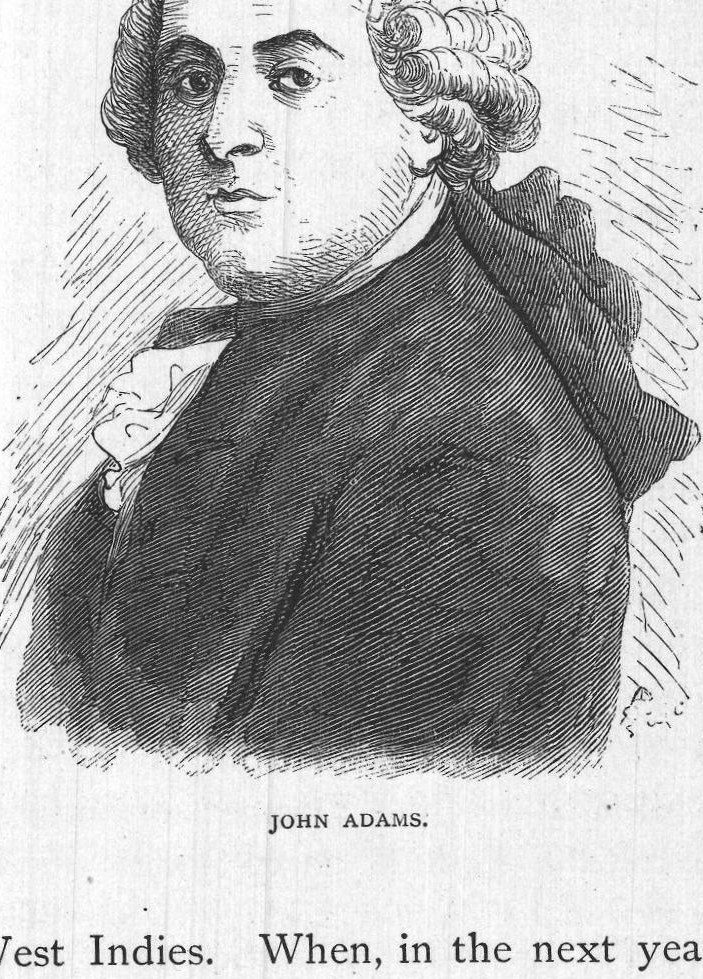
The folly of not completing the naval vessels was soon made manifest, when British cruisers began the practice of taking seamen from American vessels, without leave, under the pretence that they were British deserters. The French, too, were becoming aggressive on the seas. Their government was offended by Washington's proclamation of neutrality, and especially with Jay's treaty with Great Britain. It wanted the Americans to show an active participation with the French, in their hatred of the English. It was offended with the American because of their treaty with Algiers independently of French intervention; and the success of our negotiations with Spain for the free navigation of the Mississippi River, excited the jealousy of the French rulers. In a word, because the United States, having the strength, assumed to stand alone, the French were offended and threatened the grown-up child with personal chastisement. In 1796, cruisers of the French republic began depredations upon American commerce, under the authority of a secret order issued by the French Directory, as the existing government was called. That government had declared the alliance with the Americans at an end. Under the authority of the secret order numerous American vessels were seized in the West Indies. When, in the next year (1797), war with France seemed inevitable, Congress, on the urgent recommendation of the new President (John Adams), caused the frigates Constitution, Constellation, and United States to be completed, equipped, and sent to sea. This was the real beginning of the American navy which, only a few years afterward, though weak in numbers, performed many gallant exploits. From that time the navy became the cherished arm of the national defence; and chiefly through its instrumentality, the name and power of the United States began to be properly appreciated in Europe, at the beginning of the present century.
The second term of Washington's administration was now drawing to a close. He had been elected for the second time, in the fall of 1792, much against his wishes, for he felt, then, that his health was giving way, and his private affairs needed his attention. He was inaugurated in the presence of the Senate, when he made a short speech; and he served his country four years longer. His career as President was a most trying and important one, and must ever be remembered with gratitude by the American people. During that time the government was put in motion with great sagacity on the part of the President and his cabinet; its financial, domestic, and foreign policy was established, and its strength was so fully tested by immoderate strains, that even Hamilton began to think its powers sufficient to perform its required functions. It was the wish of a majority of the people that Washington should serve a third term, but he positively refused; and in the fall of 1796, that majority gave their votes for electors known to be favorable to John Adams for President of the republic. In September of that year Washington issued his admirable Farewell Address to the people of the United States. It was an earnest appeal to them to preserve the Union as the only sure hope for the continuance of their liberties and of the national life and prosperity.
The Presidential election in 1796 was a vehement struggle by the Federalists and Republicans for political ascendency and the control of the government. The candidates were John Adams and Thomas Jefferson, the latter having left the cabinet at the close of 1793. Every appeal to the passions that party rancor could invent, was employed. Adet, the French minister, who had succeeded Fouchet, imprudently issued an inflammatory address to the American people, in which he charged the administration of Washington with violations of the friendship that had existed between the United States and France; and other partisans of Jefferson, in their zeal to injure the Federal party, made gross personal attacks upon Washington. A newspaper writer said: "If ever a nation has been debauched by a man, the American nation has been debauched by Washington. If ever a nation has been deceived by a man, the American nation has been deceived by Washington. Let his conduct, then, be an example to future ages. Let it serve to be a warning that no man may be an idol. Let the history of the Federal government instruct mankind that the mark of patriotism may be worn to conceal the foulest designs against the liberties of the people. "And on the day when Washington retired from office in March, 1797, and was succeeded by John Adams as President, the same Philadelphia newspaper (The Aurora) contained another gross personal attack upon the beloved patriot. After declaring that he was no longer possessed of "power to multiply evils upon the United States," the writer said: "When a retrospect is taken of the Washingtonian administration for eight years, it is a subject of the greatest astonishment that a single individual should have cankered the principles of republicanism in an enlightened people just emerged from the gulf of despotism, and should have carried his designs against the public liberty so far as to put in jeopardy its very existence. Such, however, are the facts, and with them staring us in the face, this day ought to be a jubilee in the United States."