Governor Bernard's Interference: Dalrymple and Sabbath
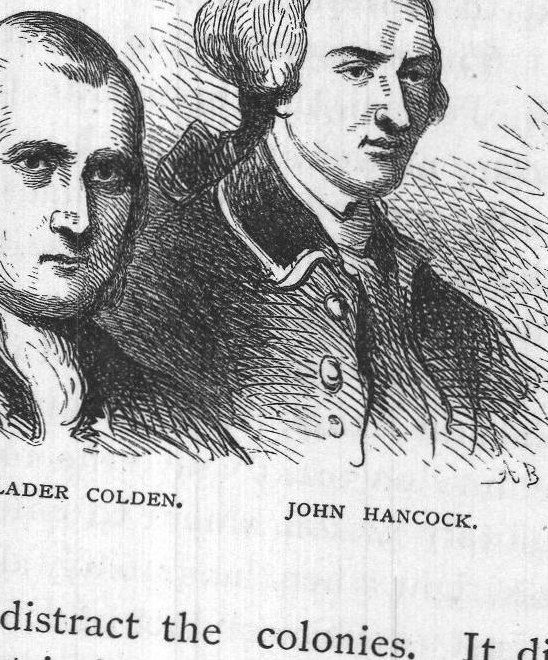
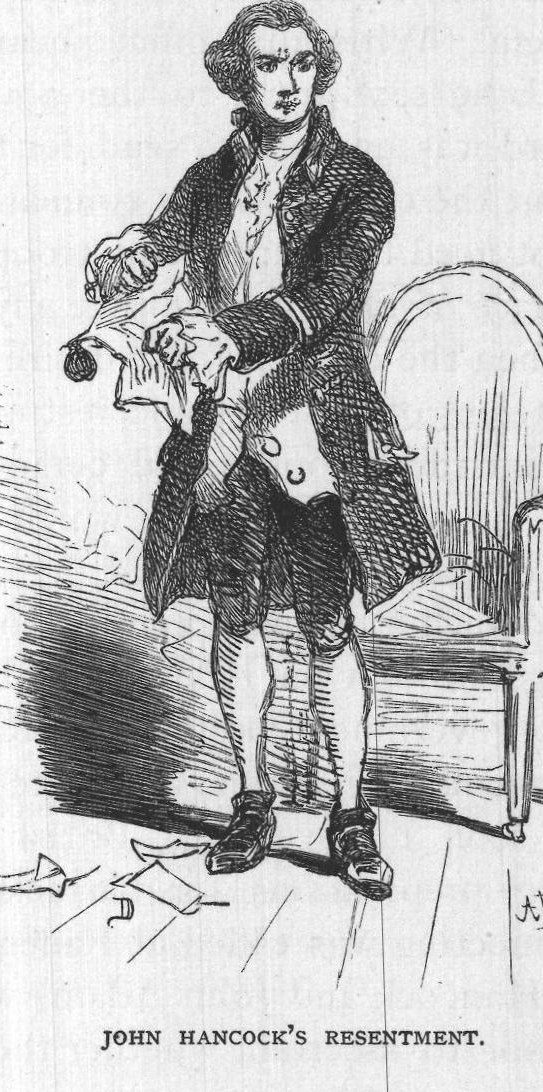
Dalrymple appeared before the selectmen, with one or two other officers, and haughtily demanded both food and shelter for his troops. "You will find both at the castle," said the guardians of the town, with the assurance that the law was upholding them. "And you will not furnish quarters for my soldiers?" asked the colonel. "We will not," responded the selectmen. Then Dalrymple turned away in wrath, and encamped one regiment in tents on the Common, while the other was compelled to bivouac as best they might in the chilly air of an October night. The compassion of the inhabitants was excited for the poor soldiers, whom they could not blame, and at nine o'clock the Sons of Liberty generously opened Faneuil Hall, and allowed the warriors to slumber there. The next day was the Sabbath. The unwise Dalrymple again paraded his troops through the streets when the people were engaged in public worship, disturbing them with the noise of the fife and drum. His soldiers challenged the citizens in the streets; and in various ways he tried to impress them with a sense of utter subjugation. These things only deepened their convictions of duty, and inflamed their resentment. Every strong feeling of the New Englander was violated. His Sabbath was desecrated, his worship was disturbed, and his liberty was infringed. Natural hatred of the troops, deep and abiding, was soon engendered, and the terms rebel and tyrant were freely bandied between them. The governor and the colonel used every means in their power to induce the council and the selectmen to provide for the troops. Planting themselves firmly on the law, these citizens were unmoved by entreaties or threats. Then the governor and sheriff tried to get possession of a dilapidated building belonging to the province in which to shelter the troops, but the occupants, supported by the law, successfully resisted. The governor now summoned all the acting magistrates to meet him, when he renewed the demand for quarter. "Not till the barracks are filled," was the response. The military officers could not put the soldiers into quarters, for the act might cause them to be cashiered on conviction before two justices of the peace, "the best of whom," wrote Gage, "the keeper of a paltry tavern." When the weather became so cold that tent-life could not be endured, the commanding officer was compelled to hire houses at exorbitant rates for shelter, and to furnish food for the troops at the expense of the crown. So, in this bloodless warfare with British regulars, the citizens of Boston, armed with chartered rights and statute law, were completely victorious. There was nothing for the troops to do, as the people were orderly and law-abiding. The soldiers being housed, the main guard was stationed opposite the State House, with cannon pointing toward the legislative hall. The people smiled at this covert threat, and Gage was convinced that more mischief had arisen from the follies and greed of the crown officers than from anything else; but he recommended the building of barracks and a fortification on Fort Hill, while Bernard, satisfied that the troops could not overturn the authority of the government, nor repress republicanism, again advised a forfeiture of the charter of the province. The commissioners of customs who had fled to Castle William on the Romncy now returned, and were more haughty than ever under the protection of armed men. They caused the arrest of Hancock and Malcom on false charges, claiming penalties for violations of acts of Parliament amounting to, in Hancock's case, almost half a million dollars. Hancock employed John Adams as his counsel, and "a painful drudgery I had of his case," said that advocate. Not a charge was established.
Soon after these events the British Parliament assembled, and the king, in his speech which he read from the throne, spoke of Boston as being in a "state of disobedience to all law and government," proceeding to "measures subversive of the constitution, and attended by circumstances that might manifest a disposition to throw off its dependence on Great Britain." He promised, with the support of Parliament, to "defeat the mischievous designs of those turbulent and seditious persons" who had, under false pretences, too successfully deluded numbers of his subjects in America. In both Houses of Parliament great indignation, because of the conduct of the Bostonians, was expressed. The Lords, in their address to the king, said: "We shall be ever ready to hear and redress any grievances of your majesty's American subjects; but we should betray the trust reposed in us, if we did not withstand every attempt to infringe or weaken our just rights, and we shall always consider it as one of our most important duties to maintain entire and inviolate the supreme authority of the legislature of Great Britain over every part of the British Empire." In the Commons, Henry Stanley indulged in bitter denunciations of the Americans. He condemned, in unmeasured terms, the non-importation leagues, as "unwarrantable combinations among American tradesmen to cut off the commerce between the colonies and the mother country." "I contend, therefore," he said, "that men so unsusceptible of all middle terms of accommodation call loudly for our correction. What, sir, will become of this insolent town of Boston when we deprive the inhabitants of the power of sending out their rum and molasses to the coast of Africa? For they must be treated like aliens, as they have treated us upon this occasion. The difficulties in governing Massachusetts are insurmountable, unless its charter and laws shall be so changed as to give to the king the appointment of the council, and the sheriffs the sole power of returning juries."