Doings of a Town
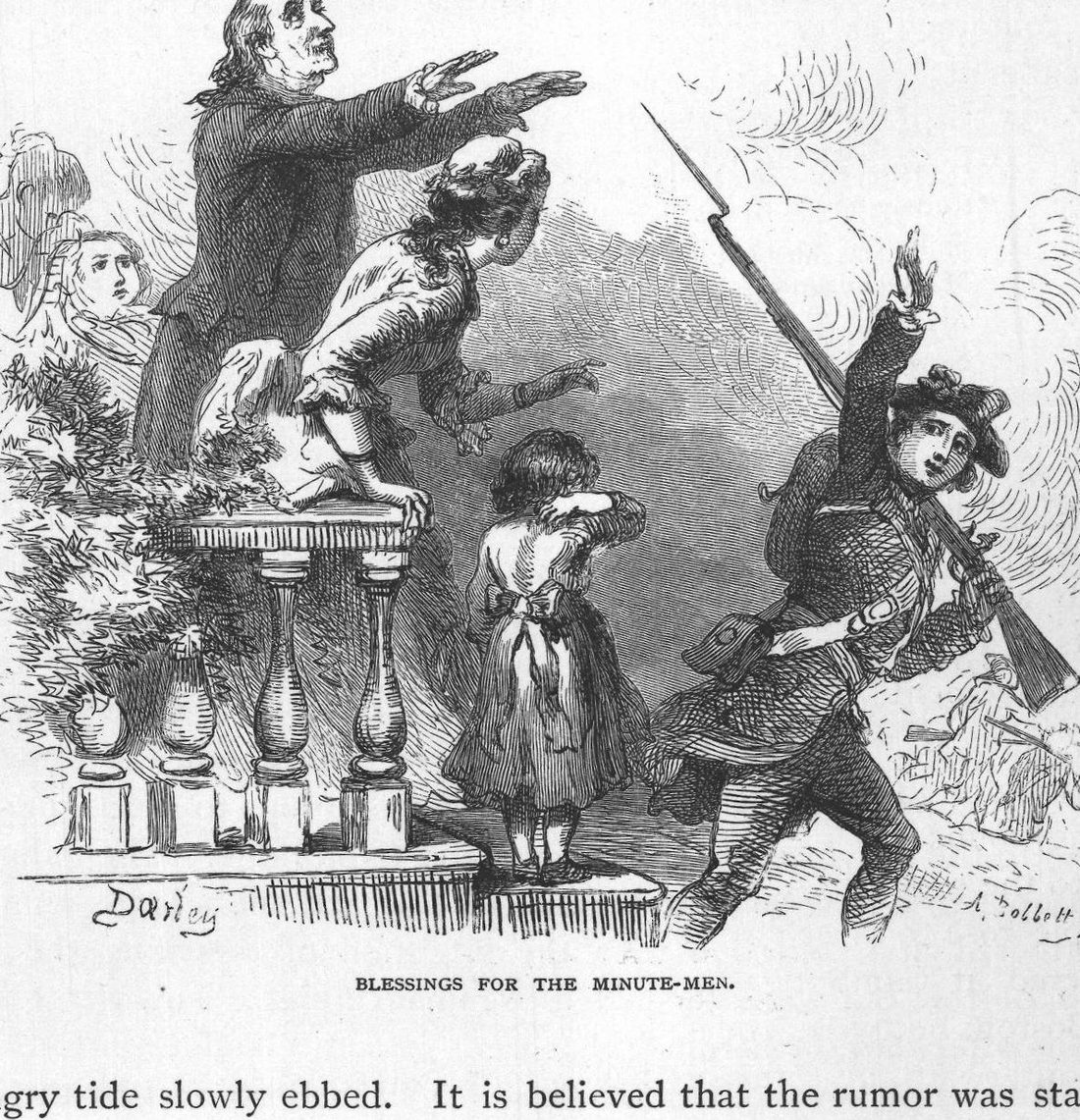
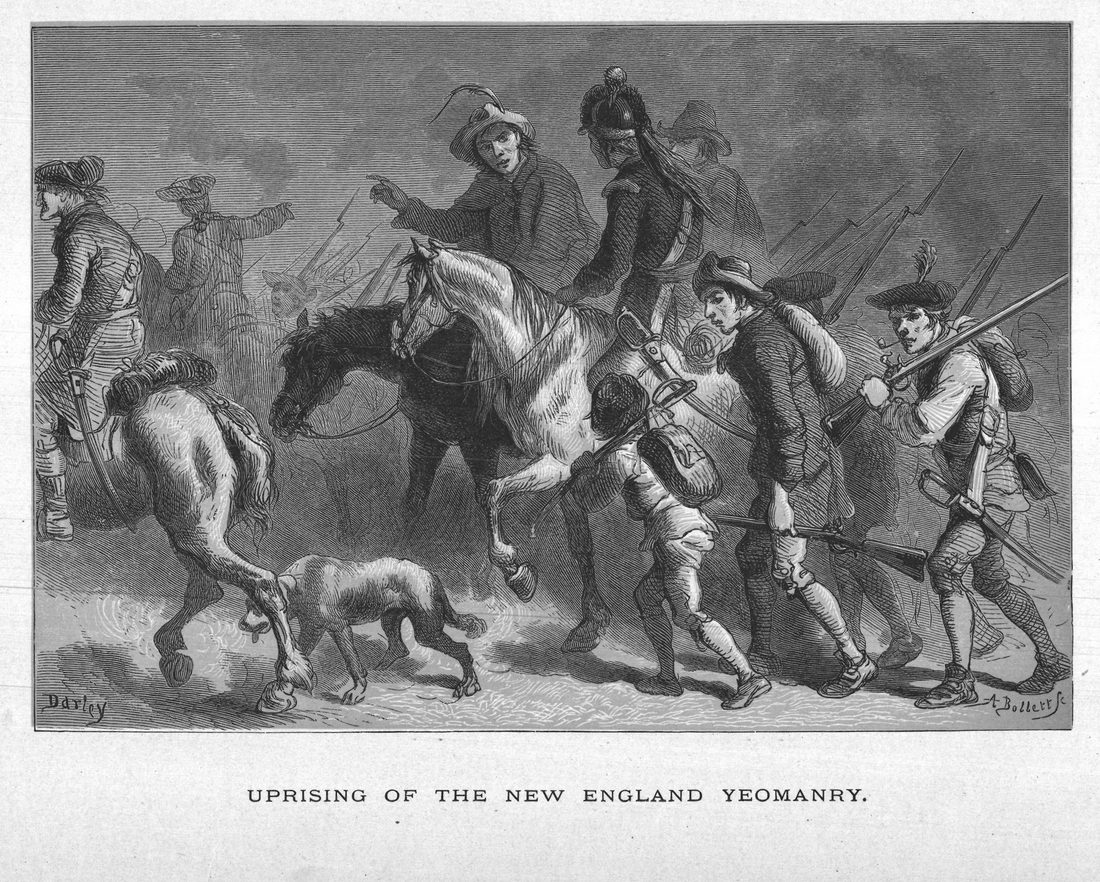
Gage saw ominous menaces on every side; and late in the summer he re-established the seat of government in Boston, and prepared to cast up fortifications across the "Neck." His orders for this purpose exasperated the patriots. They saw, in these warlike measures, prophecies of their absolute enslavement. The Boston carpenters, though suffering through compulsory idleness, would not work on the fortifications at any price, and the popular voice applauded their patriotism. At about the same time, Gage, taking counsel of his fears, sent out some troops to seize gunpowder belonging to the province, at Charlestown and Cambridge. The indignation of the people rose to fever-heat because of this act, and a large number of them gathered at Cambridge with the intention of attacking the British troops in Boston, but were persuaded to remain quiet. This was followed, a few days afterward, by a rumor that went over the land, even to the Connecticut River and beyond, that war had begun in Boston; that the British ships there were bombarding the town, and that British troops were murdering the patriotic inhabitants. The tale of horror created a fearful excitement and a cry for vengeance. The Minute-men everywhere, though not organized, seized their arms, and marched in squads for Boston. Within thirty-six hours the whole country, for almost two hundred miles from the New England capital, had heard the dreadful tidings. Young men and old men seized their firelocks, and matrons and maidens buckled on their well-filled knapsacks and sent them away with the blessings of patriotic hearts. The roads were soon swarming with armed men, most of them on foot; but many men on horseback--a strange cavalcade--queer-looking men and queer-looking horses of all colors, ages and condition--some of the latter saddled and bridled, and some without either bit or stirrup. The host were intent upon the salvation of their brethren, and the destruction of the enemy; and they halted not until satisfied that the story was untrue, when the angry tide slowly ebbed. It is believed that the rumor was started by some of the leading patriots, to produce an uprising of the people that should overawe General Gage and his troops. Full thirty thousand men, it was estimated, had started for Boston. It was a lesson for Gage, but he did not heed it.
On the 6th of September (1774), a convention of delegates representing the towns in the county to which Boston belonged, resolved that the late acts of Parliament were not entitled to obedience; recommended that collectors of taxes and other officers holding public money, should retain the funds in their hands until the privileges of the charter should be restored; declaring that those who had accepted seats in the council should resign or be considered public enemies; recommended the people to seize and keep as hostages any crown-officers who might fall in their way after any patriot should be arrested for a political offence; and adopted an address to General Gage, in which they complained of the fortifications begun by the soldiers in Boston Neck as an act of hostility. They had resolved that they would not commence war, but act on the defensive only so long as just reason required; and they told Gage frankly that they would not submit to any of the late acts of Parliament concerning the Americans.
These were bold words uttered by brave men. Gage denounced the convention as treasonable, and he declared that he should adopt such measures as he pleased to protect his troops, and that the cannon which he had placed in battery on the Neck should be used for that purpose. He had already broken up the eight military companies in the town composed of citizens, and dismissed John Hancock from the command of a corps known as "The Governor's Independent Cadets." That body, indignant because of this treatment of their beloved commander, had sent a committee to the governor at Salem, to surrender their flag into his hands, and acquaint him that they had disbanded themselves. Gage, who never had a conciliatory word for irritated citizens, gave vent to his angry feelings and berated the committee roundly, whereupon the bold Massachusetts Spy published the following as " a sample of gubernatorial eloquence, as lately exhibited to the company of cadets:"
Has been deficient in respect;
As he my sovereign toe ne'er kissed,
'Twas proper he should be dismissed;
I never was and never will,
By mortal man be treated ill;
I never was nor ever can,
Be treated ill by mortal man.
O had I but have known before
That temper of your factious corps,
It should have been my greatest pleasure
To have prevented that bold measure.
To meet with such severe disgrace--
My standard flung into my face--
Disband yourselves! so cussed stout!
O had I, had I, turned you out!"