Call for Troops in Massachusetts
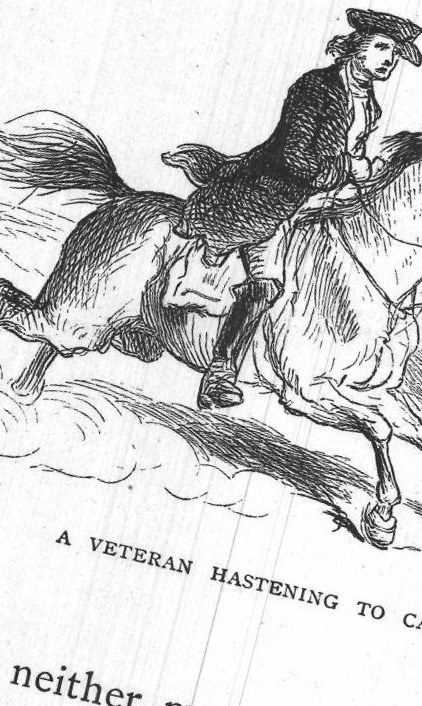
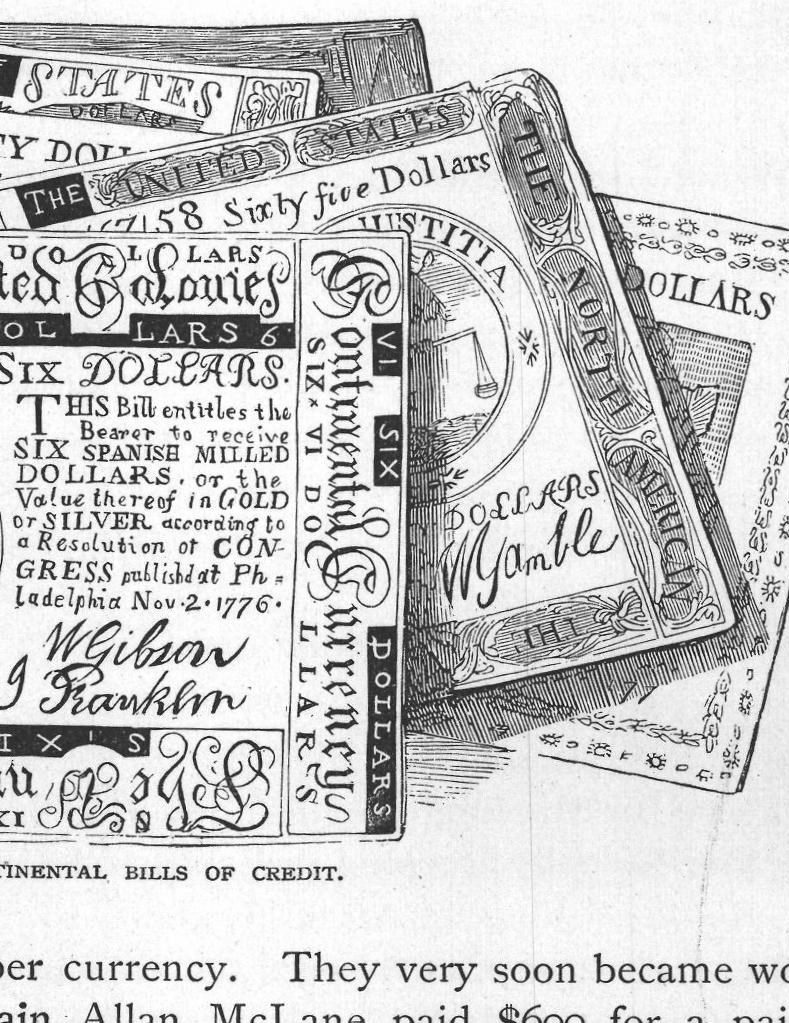
The call was answered by many of the people before it reached their ears. It arose spontaneously out of the depths of their own patriotic hearts. Men started from the desk, the workshop, and the field the moment when the dreadful tale was told. Many of them did not stay to change their clothing; they carried neither money nor food, intent only upon having their firelocks in order, their powder-horns well supplied, and their bullet-pouches well filled. The women on their way opened wide their doors and hearts for the refreshment and encouragement of the patriotic volunteers; and very soon all New England was represented at Cambridge. Veterans of wars with the Indians and the French appeared as leaders; and before the close of April a fluctuating army of several thousand men were forming camps and piling fortifications around Boston, from Roxbury to the Mystic River, along a line of about twenty miles. So early as the afternoon of the 20th, General Artemas Ward, the senior military officer appointed by the Provincial Congress of Massachusetts, was on the ground, and assumed the chief command. That Congress, like the Committee of Safety, worked day and night in patriotic duty. They appointed military officers; organized a bureau of supplies, and issued bills of credit for the payment of the troops to the amount of three hundred and seventy-five thousand dollars, for the redemption of which the province was pledged. They declared that no obedience was thenceforward to be rendered to General Gage, and that he ought to be "considered and guarded against as an unnatural and inveterate enemy to the country." They took legislative and executive power into their own hands, and so abolished royal government in Massachusetts; and they forwarded deputations to the Second Continental Congress that assembled early in May, suggesting the necessity for making provision for organizing an army competent to oppose the troops expected from Great Britain.
It was at about that time, when society in the colonies was in a ferment, that Dr. Franklin arrived from England, when a poet of the day gave him a welcome in the following words:
To these fair western plains--thy native shore;
Here live belov'd and leave the tools at home
To run their length and finish out their doom;
Here lend them aid to quench their brutal fires,
Or fan the flame which Liberty inspires;
Or fix the grand Conductor, that shall guide
The tempest back, and 'lectrify their pride.
Rewarding Heaven will bless thy cares at last,
And future glories glorify the past.
Why staid apostate Wedderburn behind,
The scum the scorn, the scoundrel of mankind?
Whose heart at large to ev'ry vice is known,
And every devil claims him for his own;
Why came he not to take the large amount
Of all we owe him, due on thine account?