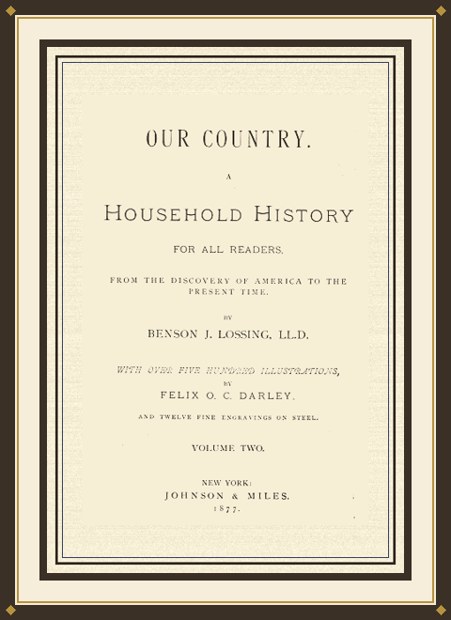
Our Country1877
Lossing's fireside history of the United States, in three volumes.
The past is full of great stories, sharp insight and real analysis that most of us can no longer reach, because they live in old, rare, out-of-print books. We discover, augment and publish those lost works — histories of America and of the wider world — complete, free, and open to everyone.
Each book gets a full site: every chapter, every engraving, plus games and daily readings built from the text itself, with our commentary clearly marked.
12 books live · 25 more coming soon
Lossing's 1877 history was written for the parlor table, 'for all readers' — and illustrated within an inch of its life.
— Our Country, 1877
In 1902, The Great Republic sliced American history into half-hour readings — podcast pacing, 120 years early.
— The Great Republic, 1902
In 1886, children learned coats of arms as a parlor amusement — heraldry was a board game before board games.
— Dame Heraldry, 1886
A 1916 anthology of patriotic readings was assembled on the eve of America's entry into the Great War — history as a call to duty.
— America First, 1916
Pick any year of American history and see what 1877 thought about it — the view before another 150 years of hindsight.
— Our Country, 1877
37 books in this collection — 12 here now, another 25 coming soon — shelved the way a good bookshop would do it. The book's cover is the door; you are invited to walk in anywhere.
The American Story (8 books)·Lives & Names (5 books)·Wars & the Sea (4 books)·Heraldry & Rank (4 books)·Houses & Landmarks (10 books)·The Old World (3 books)·Society & Style (3 books)
The Republic told whole, from settlement to the parlor shelf.
Lossing's fireside history of the United States, in three volumes.
American history in half-hour readings by the master historians.
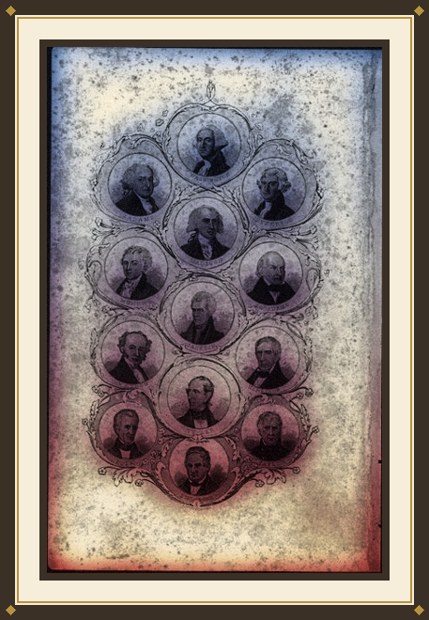
The Declaration, the Constitution and every signer's life.
Patriotic readings from the eve of the Great War.
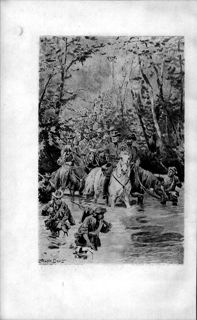
Nine volumes of the American story, told at length.
All of recorded history on one synchronological chart.
How the machinery of American government actually works.
An antiquarian pageant of colonial days, done in ye olde style.
Who people were, and what their names meant.
Twenty-three thousand American lives, a paragraph apiece.
Fourteen anonymous, razor-edged portraits of 1921 Washington.
What every name actually means, unpacked for the curious.
Black Americans who built, fought and led.
Where English family names come from, essay by essay.
Battles, navies and the ships that carried them.
Cuba on the eve of the war that made it American.
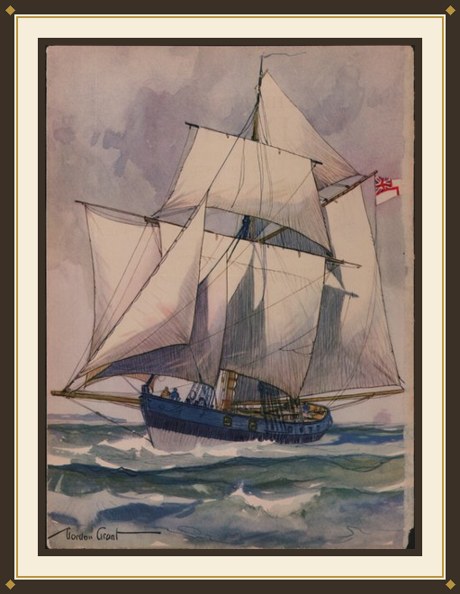
Sixty ships across four thousand years, drawn to be loved.
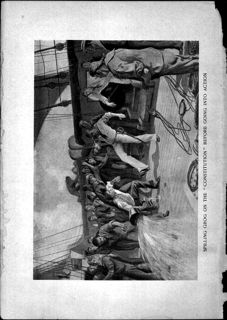
The American navy's battles, from the Revolution forward.
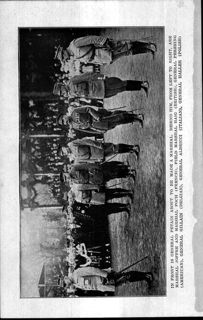
The Great War chronicled as it happened.
Shields, blazons and the medieval alphabet of rank.
Heraldry taught as a parlor amusement.
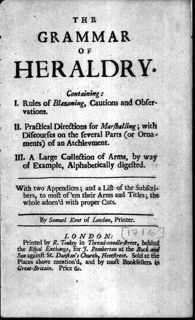
The rules of blazon, taught from first principles.
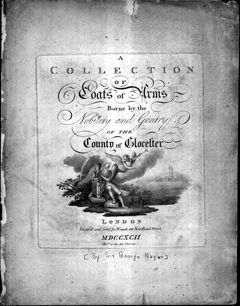
A county's shields and the families who bore them.
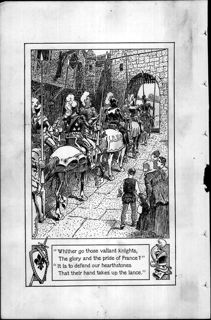
The making of a knight, from page to spurs.
The American house, from plan book to shrine.
A pilgrimage to 120 landmarks where the Republic's story happened.
A tour of notably beautiful houses and their rooms.
A catalogue of American house plans, ready to build.
Small houses with big ideas, planned and priced.
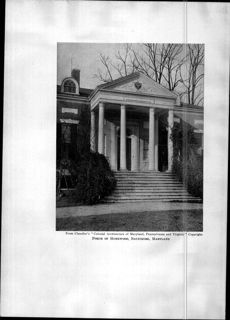
The American colonial house, inside and out.
How to plan a house that actually works.
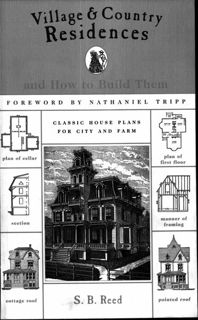
Country houses and whole villages, planned on paper.
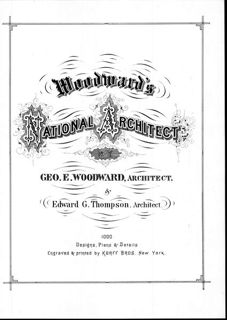
Working drawings for the American house of 1869.
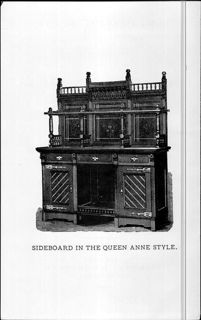
One hundred house designs, ready for the builder.
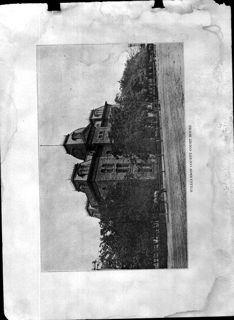
A Texas county seat shows itself off, in pictures.
Abroad, ancient and modern.
The little red books that taught the world to travel.
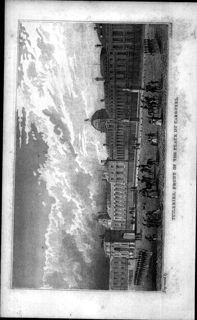
Paris, scene by scene, through its great upheavals.
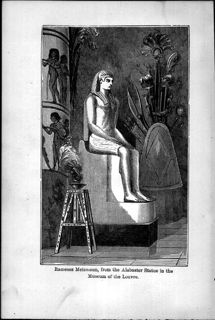
The pharaoh of pharaohs, for the general reader.
How people dressed, paid and organized.
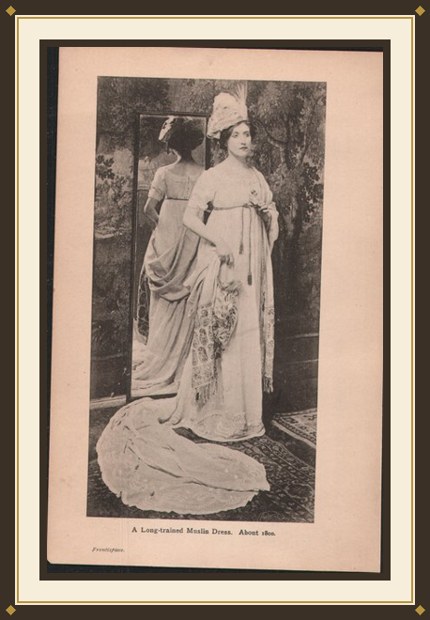
How clothes were cut and built, century by century.
The movements remaking society, surveyed as news.
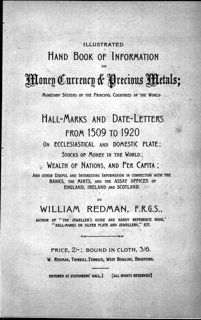
Money itself — coin, paper and the metals behind them.