Home › CHAPTER XI › Chapter XI (III)
Chapter XI (III)
مان الله - WAR WITH THE SAVAGES. THE CAMPAIGN AGAINST THE TYPEES. - DEPARTURE FROM" NOOKAHEEVAH. - THE "ESSEX" ANCHORS AT VALPARAISO. - ARRIVAL OF THE "PHEBE" AND "CHERUB." -- THEY CAPTURE THE "ESSEX." - PORTER'S ENCOUNTER WITH THE "SATURN." - THE MUTINY AT NOOKAHEEVAH.
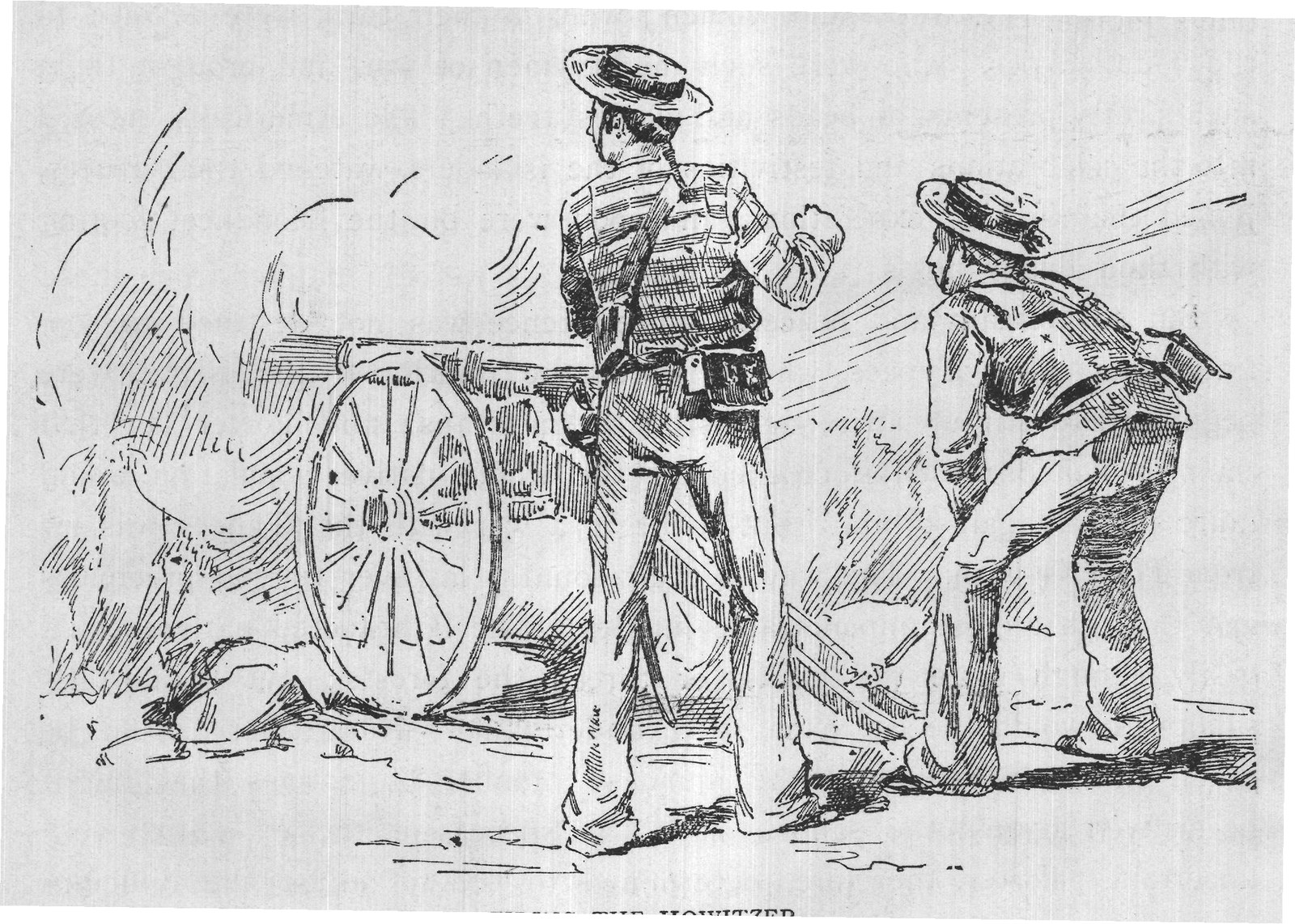
T was now the last of October, 1813. Capt. Porter saw that the work he desired done upon the ships under his charge would occupy about six weeks, and he at once set about forming such relations of peace and amity with the natives as should enable him to procure the necessary supplies and prosecute his work unmolested. Much to his dismay, he had hardly begun his diplomatic palaver with the chiefs, when he learned that to keep one tribe friendly he must fight its battles against all other tribes on the island. The natives of Nookaheevah were then divided into a large number of tribal organizations. With three of these the Americans were brought into contact, the Happahs, the Taeehs, and the Typees. The Taeehs lived in the fertile valley about the bay in which the American squadron was anchored. With these people Porter treated first, and made his appearance in their village in great state, being accompanied by the band, the marines, and several boats' crews of jackies. He was hospitably received by the natives, who crowded about to listen to the band, and wonder at the military precision of the marines, whom they regarded as supernatural beings. 4 Gattanewa, the chief, expressed his abounding love for the captain, and exchanged names with him, after the custom of the people; but ended by saying that the lawless Happahs were at war with the Taeehs, and the Americans, to gain the friendship of the latter tribe, must make common cause with them against their enemies. To this Porter demurred, but the wily chief thereupon brought forward a most conclusive argument. He said that the Happahs had cursed his mother's bones; and that, as he and Porter had exchanged names, that estimable woman was the captain's mother also, and the insult to her memory should be avenged It is probable that even this argument might have proved unavailing, had not the Happahs the next night descended upon the valley, and, having burned two hundred bread-fruit trees, departed, leaving word that the Americans were cowards, and dared not follow them into their mountain fastnesses. Porter saw that his food supplies were in danger from these vandals, and his knowledge of savage character convinced him that he could have no peace with any of the natives until the insolence of this tribe was punished. Accordingly he notified the Taeehs, that, if they would carry a gun to the top of one of the mountain peaks, he would send a party against the Happahs. The Taeehs eagerly agreed; and, after seeing the gun fired once or twice (a sight that set them fondling and kissing it, to show their reverence for so powerful a weapon), they set off up the steep mountain sides, tugging the gun after them. Lieut. Downes led the American forces. They had hardly reached the mountain tops, when the fighting began. The Happahs were armed with spears, and with slings, from which they threw heavy stones with terrific velocity. They seemed to know no fear, and stood gallantly before the advancing Americans, fairly darkening the air with clouds of stones and spears. The Americans, though few in number, - forty, opposed to nearly four thousand savages, - pressed forward, suffering but little from the weapons of their foes. From the deck of his frigate in the bay, Porter could see the steady advances of his forces, as they drove the Happahs from peak to peak. Before the Americans a huge native strode along, waving wildly the American flag. The howitzer came in the rear, and was every now and then discharged, to drive the foe from some formidable stronghold. So ignorant of fire-arms were the enemy, that they had no idea of their power, often fighting until the muzzle of a musket was laid to their temples before the discharge. But before nightfall this war like spirit was broken, and the victors returned to their ships, their native allies carrying five dead bodies slung on poles. Two only of the Americans were wounded. The next day Happah ambassadors came to sue for peace; and soon every tribe on the island joined the alliance, save the Typees, and a distant tribe that proudly bore the unpronounceable name of Hatecaaheottwohos. For two or three weeks peace reigned undisturbed. Work was pushed on the vessels. The rats with which the الله