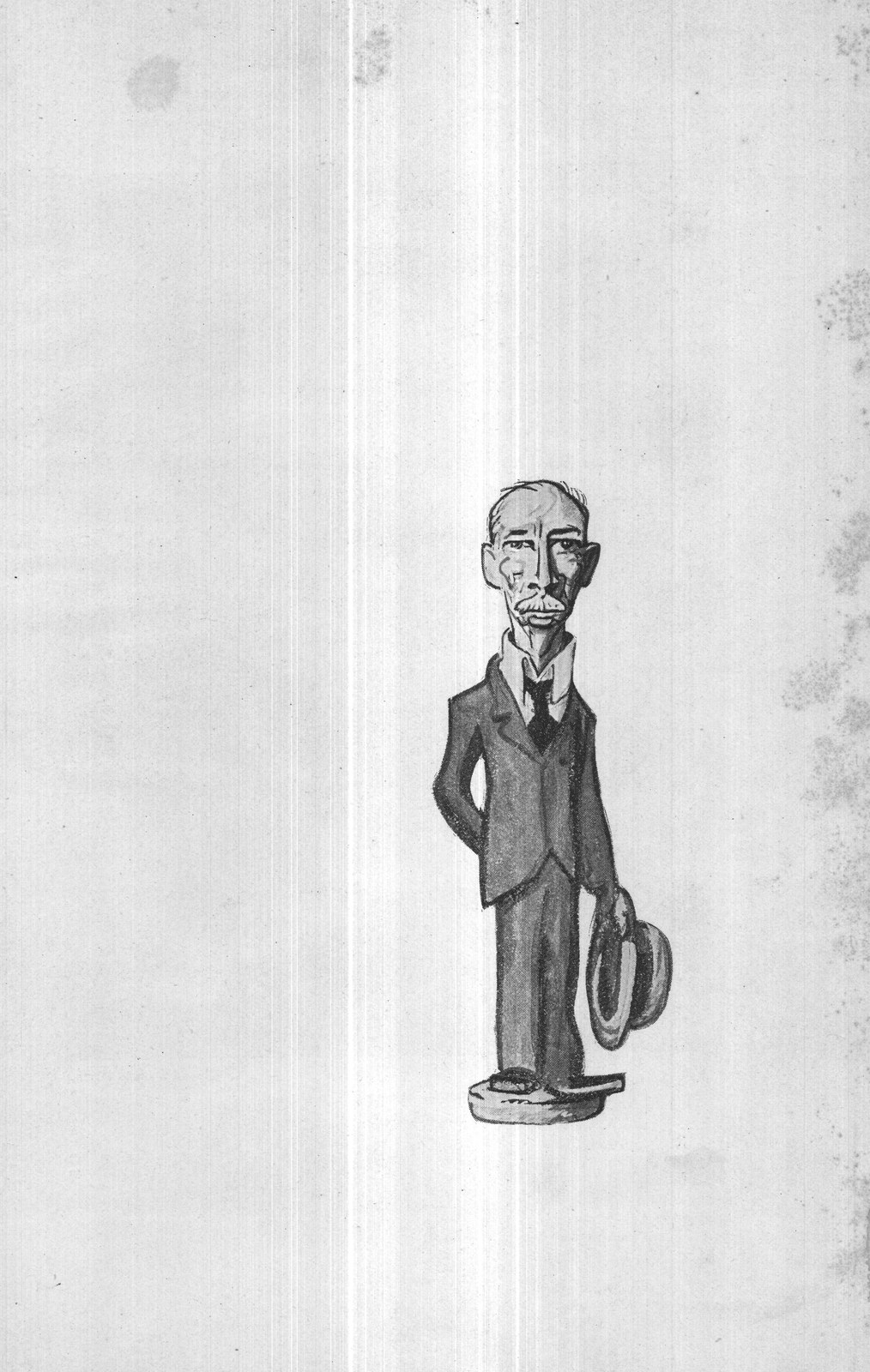
Home › Edward M. House › Edward M. House
Edward M. House
THE nature of Colonel Edward M. House was fully revealed by a story of his youth, which he told me at Paris in the concluding moments of the Peace Conference. He was elated and confident. The compromises in which he delighted had been made. The gifts had all been bestowed--of territory which men will have to fight for to keep, of reparations which will never be paid, of alliances which will never be carried out, of a League of Nations which the Colonel's own Nation will never enter.
Looking the work over with that blindness with which men are struck who are under the dominion of another and stronger man's mind, his gentle soul was flooded with happiness. He was as near boasting as one of his modest habits could be, as his mind turned to the wisdom of his youth which had brought forth this excellent fruit. "I got my first real sight of politics," he said, "when I was a boy in Cornell University. My great chum there was young Morton, a son of the Republican war governor of Indiana. The Hayes-Tilden contest over the Presidency was being decided. Morton and I used to run away from Ithaca to Washington during that absorbing fight. By reason of his father's position in the Democratic party, he could get in behind the scenes as few young men could; and he took me with him. I saw the whole amazing thing. I made up my mind then and there that only three or four men in this country counted, and that there was little chance of rising to be one of those three or four by the ordinary methods." He was, when he said this, at the apex of his career, behind the scenes of the greatest World Congress ever held, following the greatest War the world had ever known. And he had been behind the scenes as had no other man, in Europe as a privileged onlooker with both belligerents, and in America as the confidant of tremendous events.
He was there, as in his college days, at the Hayes-Tilden contest, by grace of a friend whose influence had been sufficient to secure him his opportunities. The parallel was in his mind, and he regarded it with self-approval. He had chosen his course and chosen it wisely. It had led him to the greatest peace-making in history.