Lord Howe, and Washington and Franklin
Admiral Howe thought the discomfiture of the Americans on Long Island a propitious time for the exercise of his functions as a peace commissioner. Generals Sullivan and Stirling were prisoners on board his flagship, and he paroled the former, and sent him with a verbal message to the Congress asking that body to designate some person with whom he might hold an informal conference. They appointed Dr. Franklin, John Adams and Edward Rutledge, a Committee to meet his lordship; and the house of a loyalist, Colonel Billop, on the western side of Staten Island, was chosen to be the place for the conference. In that house they met on the 11th of September. The utmost courtesy was observed. Lord Howe told the Committee that he could not recognize them as members of Congress, but as private gentlemen, and that the independence of the colonies lately declared could not be considered for a moment. "You may call us what you please," said the Committee; we are, nevertheless, the representatives of a free and independent people, and will entertain no proposition which does not recognize our independence." The gulf between them was evidently impassable, and the conference was soon terminated. Howe accompanied the Committee back to Amboy in his barge in which they had been brought over to Staten Island; and with the expression of hopes that reconciliation might speedily heal all dissensions, he bade them a courteous adieu.
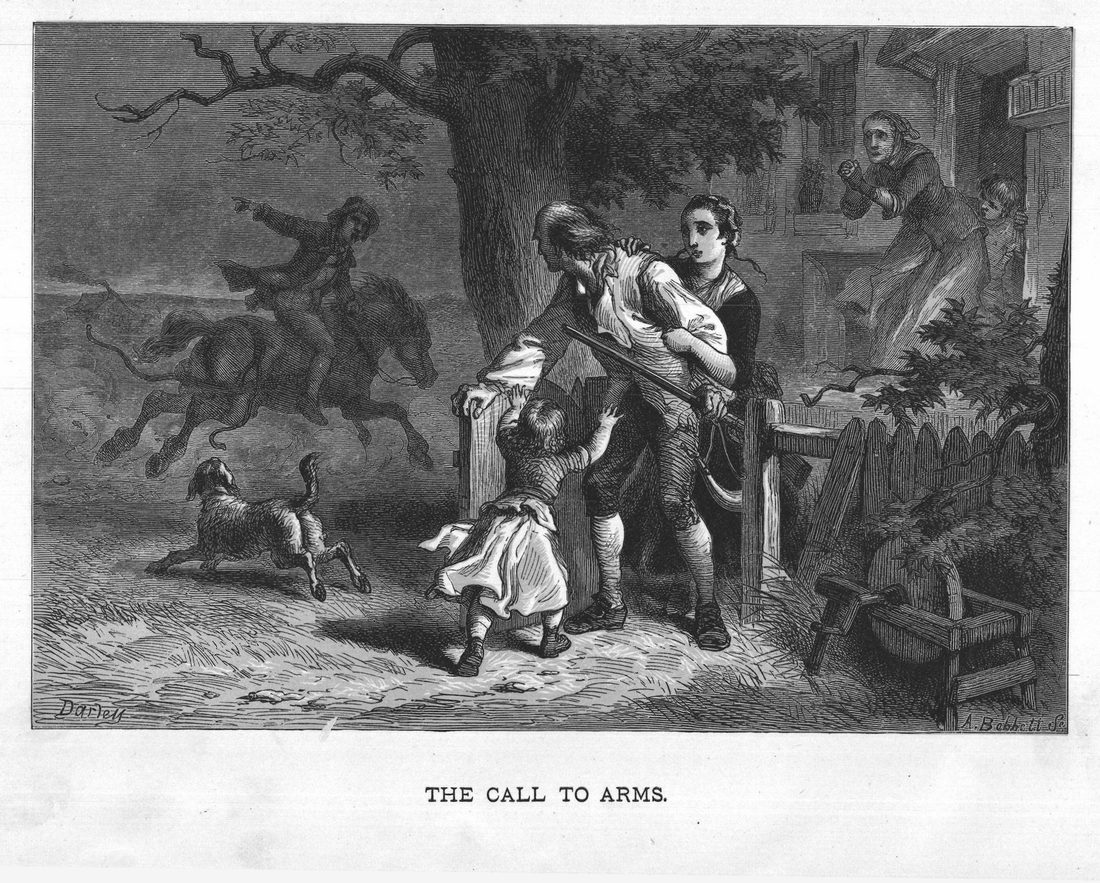
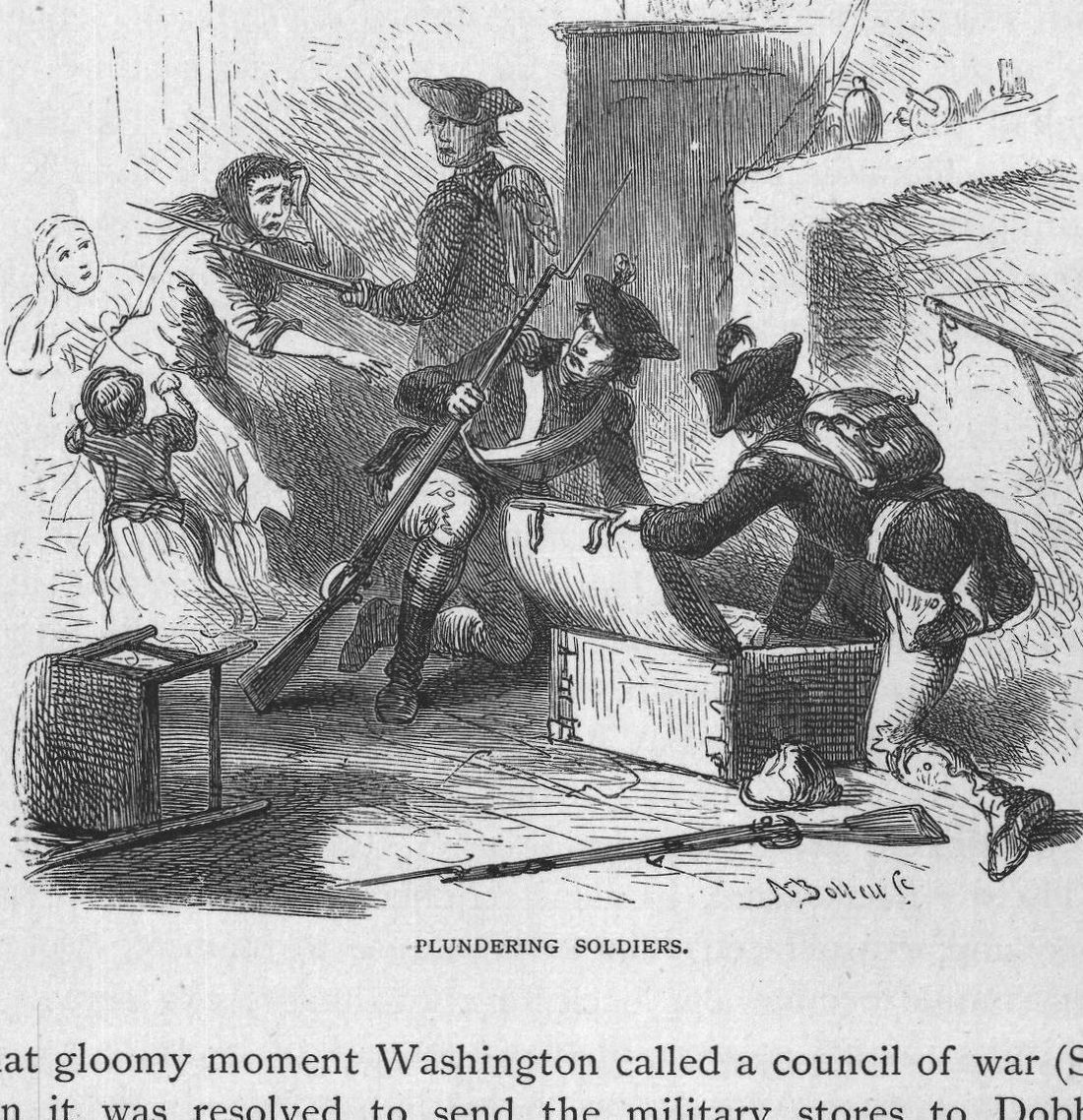
Washington's army had escaped the perils of war from without, but greater perils existed within its own bosom. At no time during the long years of conflict that ensued was the usually serene and hopeful mind of the commander-in-chief more seriously clouded with doubts than in the month of September, 1776. That army seemed to contain all of the elements of dissolution--lack of permanency, unity of feeling and unalloyed patriotism, with sectional jealousies, insubordination, disrespect for superiors, and a lack of that moral stamina so essential to success in every undertaking. Contemporary writers give a sad picture of the army at that time. Among some of the subordinate officers, greed overshadowed patriotism. Officers were elected, not because of their merits, but by a compliance with the condition that they should throw their pay and rations into a joint stock for the benefit of a company; surgeons sold recommendations for furloughs for able-bodied men, at sixpence each, and a captain was cashiered for stealing blankets from his soldiers. Men went out in squads to plunder from friend and foe; drunkenness was a common vice, and licentiousness poisoned the regiments. With such an army subjected to the temptations of a city, before such an enemy as confronted it, how dark must have appeared the future to the commander-in-chief? That enemy was evidently preparing to strike a crushing blow. His navy occupied the Bay and the rivers on each side of Manhattan Island, and swarms of loyalists were ready to receive him with open arms in Westchester county, where he might cut off the supplies and the retreat of the Americans, and compel them to surrender.
At that gloomy moment Washington called a council of war (September 13), when it was resolved to send the military stores to Dobb's Ferry, twenty-two miles up the Hudson, to evacuate the city and to retreat to and fortify the Heights of Harlem toward the northern end of the island, and so keep open a communication with the country beyond. It was a timely decision, for the next day, the sixteenth anniversary of Wolfe's victory at Quebec, in which Howe bore a conspicuous part, had been chosen by that commander as the time for making a descent in force on New York. On that morning the sick were taken from the city into New Jersey, and under the direction of Colonel Glover the removal of the stores by water was begun. The main body of the army, accompanied by a host of Whigs, moved toward Mount Washington, leaving a rear-guard of four thousand troops under Putnam to hold the city as long as it might seem safe. The army marched slowly, watching with keen vision the movements of the British; and on the 16th, they were on Harlem Heights, and Washington had made his headquarters at the house of his companion-in-arms on the field of the Monongahela, Colonel Roger Morris, which is yet standing. He had spent most of the 14th at the house of Robert Murray, on the Incleberg (now Murray Hill), sending out his scouts toward various points on the East River. There he gave instructions to Captain Nathan Hale, who entered the British camp as a spy, and whose sad fate we will consider presently.