Effect of the Surrender of Cornwallis, in Europe: Greene and Combahee
The opposition in Parliament now pressed measures for peace more vigorously; and on the 20th of March (1782) Lord North, who, under the inspiration of the king, had misled the nation for twelve years, retired from office, and he and his fellow-ministers were succeeded by the friends of peace. The stubborn king stormed, but was compelled to yield to the inexorable logic of events. The Parliament resolved to end the war at once, and he was obliged to give his sanction; and early in May, Sir Guy Carleton arrived in New York, bearing propositions for reconciliation. Lord Shelburne, who had charge of American affairs in the new cabinet, selected Richard Oswald, a merchant, as a diplomatic agent to repair to Paris and confer with Dr. Franklin on the subject of a treaty for peace.
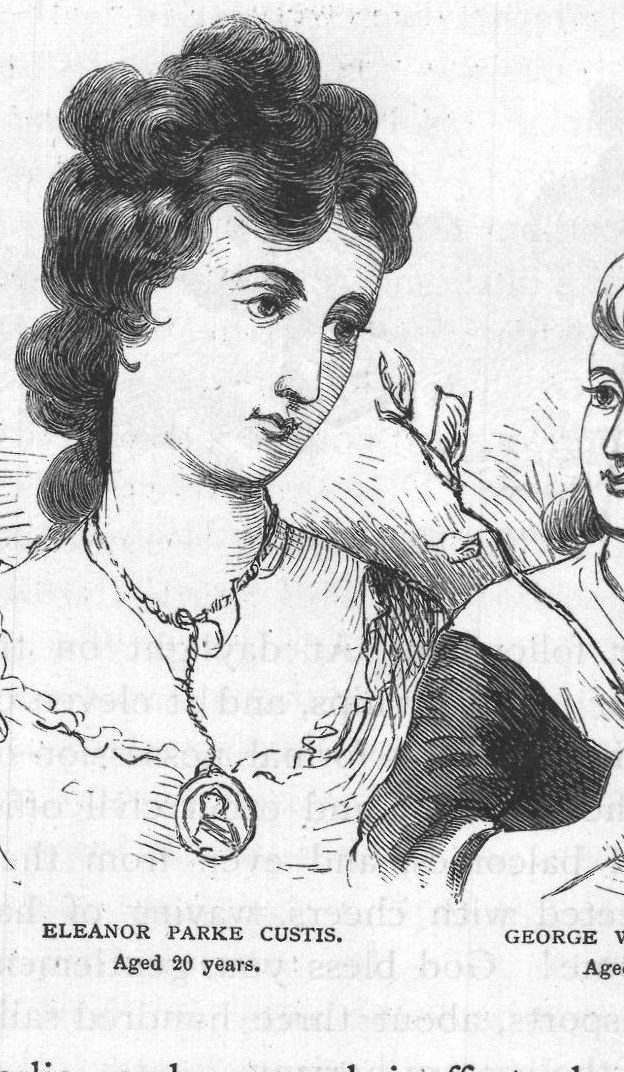
In the meantime the Americans did not relax their vigilance nor preparations for the continuance of the war. General Greene, as we have observed, left the High Hills of Santee, when he heard of the surrender of Cornwallis, and marched toward the seaboard. The South Carolina legislature at Jacksonborough authorized Governor Rutledge to offer pardon to all penitents, and hundreds of Tories gladly availed themselves of the privilege. General St. Clair, while on his way to reinforce Greene, had driven the British from Wilmington and left the Tories of North Carolina undefended, amazed and confounded. Wayne, as we have observed, was keeping the enemy close within his intrenchments at Savannah, and Washington, who returned to the North soon after the surrender of Cornwallis, closely imprisoned Sir Henry Clinton and his army in New York. When the commander-in-chief had completed his arrangements to leave Yorktown, he hastened to the bedside of Mr. Custis, his aid, and the only son of Mrs. Washington, who was dying of camp fever at Eltham, the seat of Colonel Bassett. He was met at the door by Dr. Craik, who informed Washington that all was over. The chief bowed his head, and with tears gave vent to his great sorrow; then turning to the weeping widow, the mother of four children, he said: "I adopt the two younger children as my own." These were Eleanor Parke and George Washington Parke Custis, the former then three years of age, and the latter six months. Washington remained a short time to console the afflicted widow, and then pressed on toward Philadelphia and the Hudson River.
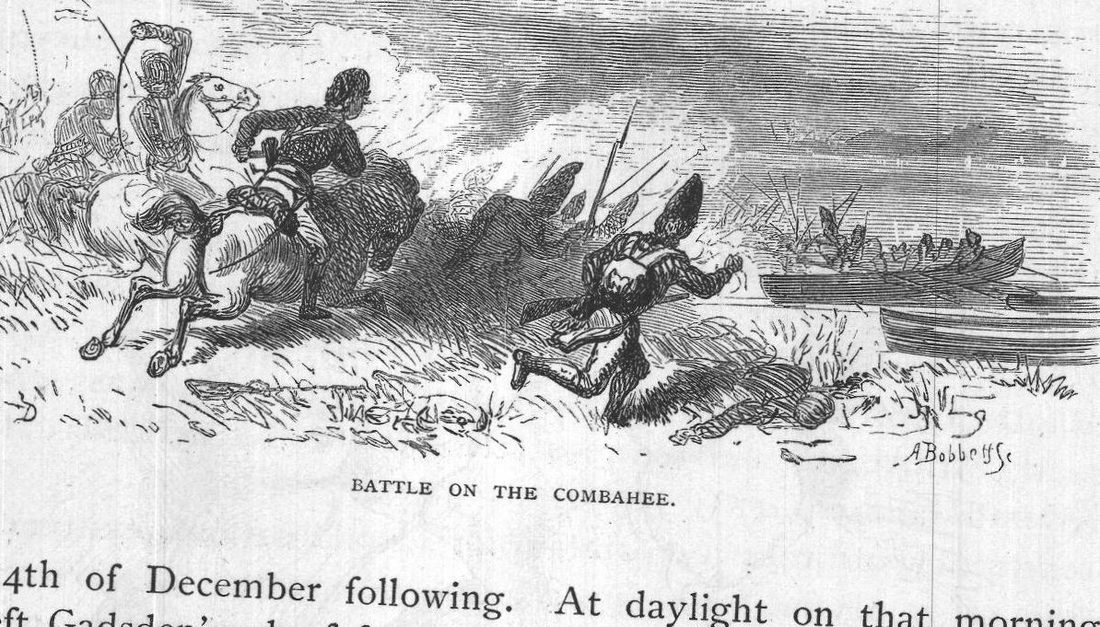
Marion and his men kept watch and ward over the country between the Ashley and Cooper rivers, to prevent intercourse from the enemy at Charleston, and the latter began to feel straitened in their supplies. When General Leslie, who was in command of the British army in that city, heard of the peace proceedings in Parliament, he proposed to General Greene a cessation of hostilities, and asked the latter to allow him to purchase food for his troops. Greene was unwilling to nurture a viper in his own bosom, and refused. Leslie made several ineffectual attempts to penetrate the country by force of arms to procure supplies; and in August he sallied out in considerable force, and attempted to ascend the Combahee River, when he was confronted by General Gist, who, with about three hundred men of the Maryland line, horse and foot, had been detached to watch the movements of the British. After a severe skirmish near Combahee Ferry, the enemy were driven to their boats. They succeeded in carrying away from the neighboring islands a large amount of plunder, and returning to Charleston enriched by considerable supplies. In that skirmish the accomplished Colonel John Laurens was slain. His blood was almost the last that was spilled in the struggle for independence. It is believed that the very last life sacrificed in the cause was that of Captain Wilmot, who was killed in a skirmish at Stono Ferry in September following.
The British had evacuated Savannah on the 11th of July, when General Wayne, in consideration of the eminent services of Colonel James Jackson, appointed the latter "to receive the keys" of that city "from a committee of British officers." So Georgia was redeemed forever from British rule, and Wayne joined his forces to those of Greene. Charleston was evacuated on the 14th of December following. At daylight on that morning the British left Gadsden's wharf for their ships, and at eleven o'clock an American detachment marched in and took formal possession of the city, when General Greene escorted the governor and other civil officers to the Town Hall. From windows and balconies, and even from the house-tops, the American troops were greeted with cheers, waving of handkerchiefs, and cries of "Welcome! welcome! God bless you, gentlemen!" Before sunset the British fleet of transports, about three hundred sail, had crossed the bar and disappeared below the eastern horizon.