British Vessels Driven from Boston Harbor: Hickey and Washington
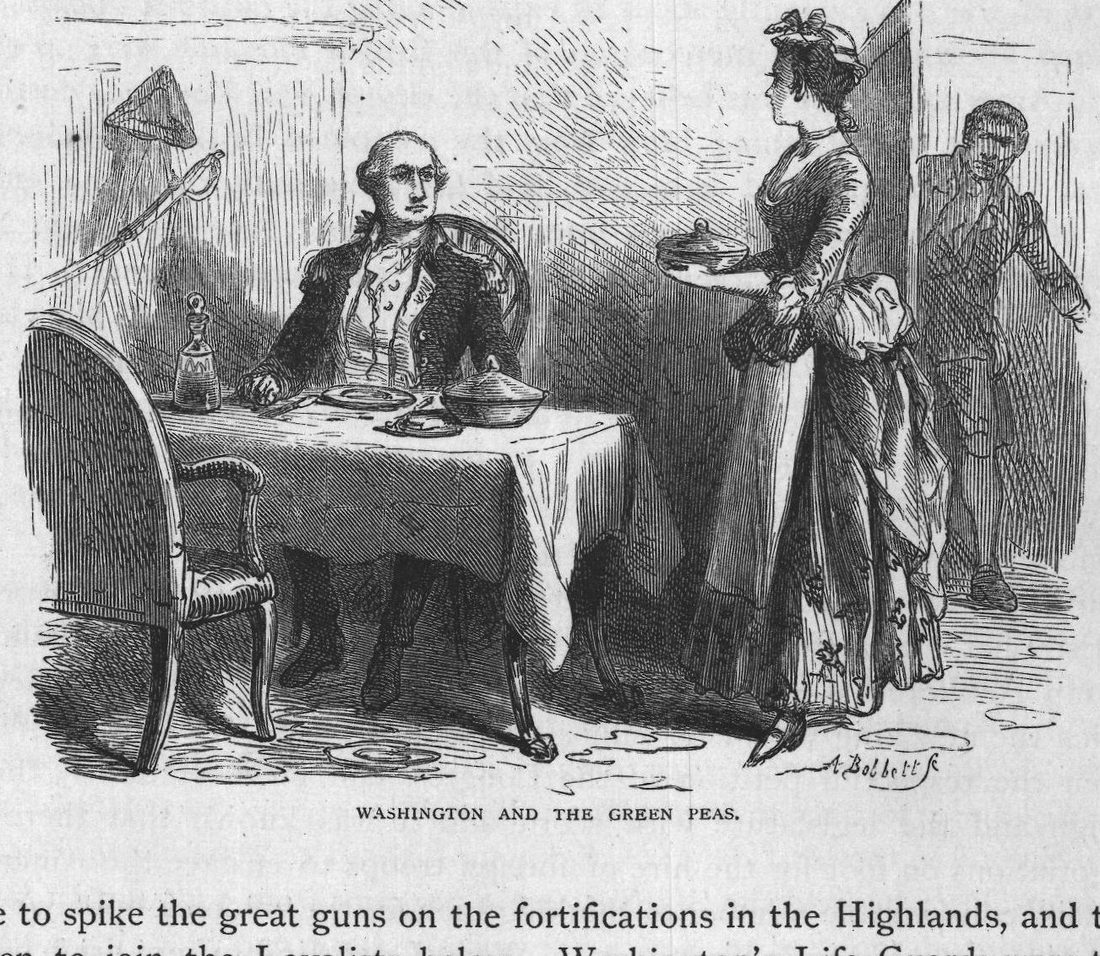
Washington returned to New York early in June, and made his summer headquarters at Richmond Hill (now the intersection of Charlton and Varick streets), afterward the country seat of Aaron Burr. Soon after his return a foul conspiracy, hatched by the unscrupulous Governor Tryon on board the Duchess of Gordon, was discovered. The brothers Howe were hourly expected to enter the harbor of New York with a powerful fleet and army, and a plan was formed for causing the uprising of the Tories in New York and in the lower valley of the Hudson at that moment; to cut off all communication with the mainland; to fire the magazine; to murder Washington, his staff and other leading officers of the American army in the city; or to seize them and send them to England for trial on a charge of treason; and, making prisoners of the great body of the troops, carry out the separating design of the ministry just mentioned. The mayor of New York (Matthews) was Tryon's chief vehicle of communication with the Tories. A large number of persons were concerned in the plot. Their influence was felt even above the Hudson Highlands, by the offer of large rewards for those who should join the king's troops when they should land. The up-river recruits were to spike the great guns on the fortifications in the Highlands, and then hasten to join the Loyalists below. Washington's Life Guards were tampered with, and two of them were seduced from their fidelity. To one of them, an Irishman named Hickey, was entrusted the task of destroying Washington. He resolved to poison his commander, and tried to make the general's housekeeper, a faithful maiden, an accomplice in the deed. She pretended to favor his plans. It was arranged for her to put poison, that he should prepare, into green peas, a dish of which Washington was very fond. At the appointed time he saw the poison mixed with the peas and watched the girl, at an open door, as she carried the fatal mess to the general's table and placed it before him. The maiden had revealed the plot to Washington, and he made an excuse for sending the peas away. He ordered the arrest of Hickey, who was tried by a court-martial, and was condemned. He was hanged on a tree in Colonel Rutger's field a little east of the Bowery, on the 28th of June, 1776, in the presence of twenty thousand people. Already Mayor Matthews and more than twenty others had been arrested by order of the Provincial Congress, but only Hickey suffered death. It was the first military execution in the Continental Army; and it is a notable fact that the delinquent was from a body of men who were specially chosen for their trustworthiness. The horrible plot was traced directly to Governor Tryon, as its author. Ten days after the execution of the Life-Guardsman, General Howe landed nine thousand troops on Staten Island, and there awaited the arrival of his brother Lord Howe with a large fleet.
At the moment when British armies and navies were hovering on the American coasts charged with the unrighteous business of suppressing by force of arms the uprising of a free people in defence of their liberties, that people, by their representatives in Congress assembled, were laying broadly the foundations of an independent nation. In all their debates, petitions and remonstrances, the colonists had steadily disclaimed a desire for political independence of Great Britain. As a body, they were sincere; and it was only when dependence was made a synonym for slavery, that any great number of Americans sincerely entertained a wish for independence. That desire had been cherished in the hearts of a few like Samuel Adams and Christopher Gadsden, from the time when Writs of Assistance and the Stamp Act foreshadowed the oppressive measures toward the Americans which the new king would be willing to sanction; but not until late in 1775, when the respectful petition of the Congress had been treated by the sovereign and the legislature with scorn, and it was known that there were negotiations on foot for the hire of foreign troops to enslave the Americans, did any considerable number of thinking men, in the colonies, openly express opinions favorable to independence. When Great Britain sent armies hither to coerce submission to her injustice; "to plunder our seas, ravage our coasts, burn our towns, harass our people, and eat out their substance;" when King, Lords, and Commons became totally "deaf to the voice of justice and of consanguinity," the colonies were forced to "acquiesce in the necessity which compelled them to dissolve the political bands which connected them with the parent state, and to assume among the powers of the earth the separate and equal station to which the laws of nature, and of nature's God, entitled them."