A Royal Order: Massachusetts Circular and Letter
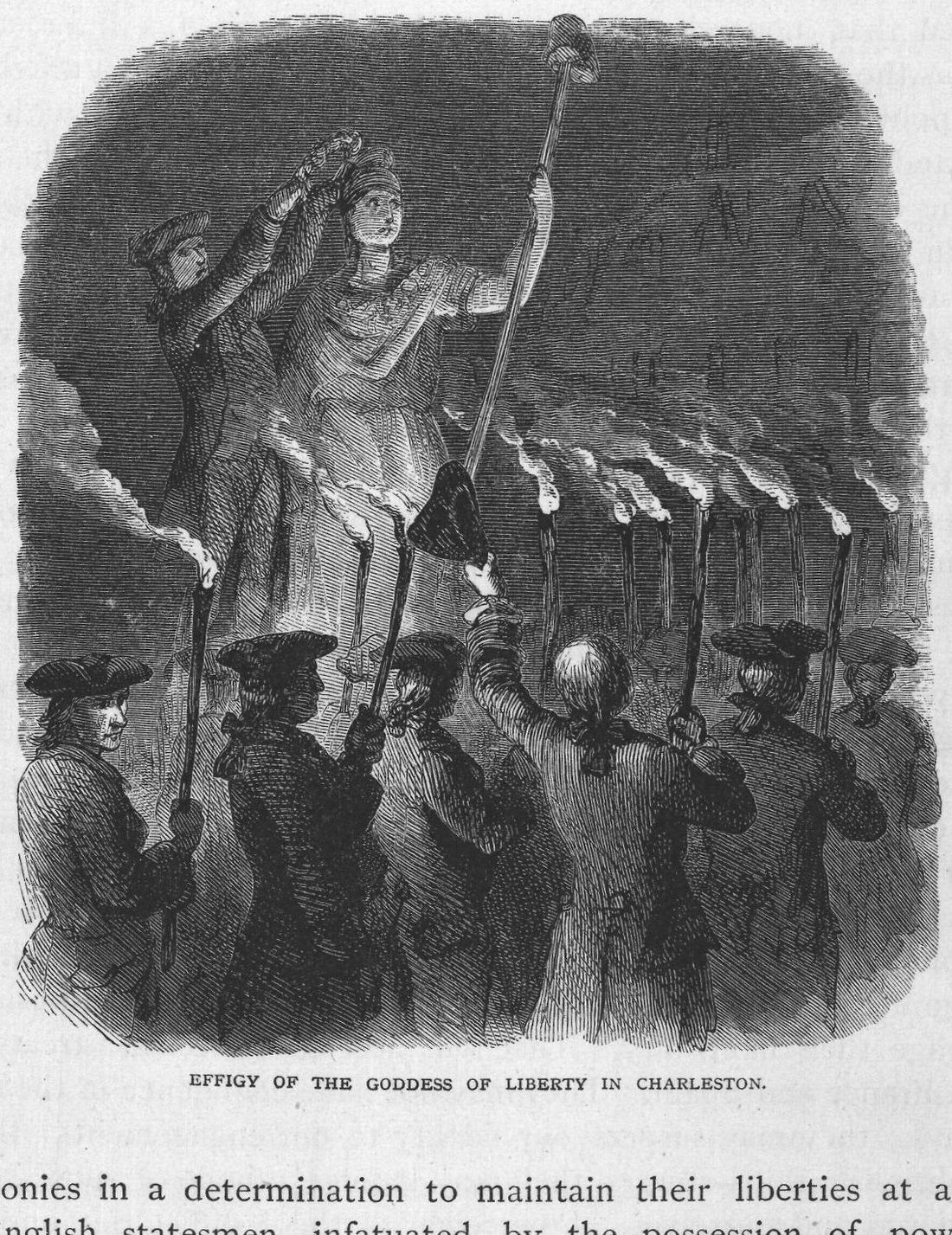
The Legislature of Pennsylvania treated the royal order with decorous scorn; and a large public meeting in Philadelphia urged a cordial union of all the colonies in resistance to oppression. The Delaware Assembly boldly asserted the right of intercolonial correspondence, and declared their intention to co-operate with the other colonies. When the arrogant Governor Sharpe of Maryland laid the obnoxious royal order before the Assembly of that province, that body assured his excellency that they could not "be prevailed on to take no notice of, or treat with the least degree of contempt, a Letter so expressive of duty and loyalty to the sovereign, and so replete with just principles of liberty;" and added, "We shall not be intimidated by a few sounding expressions for doing what we think is right." They then sent their thanks to the Massachusetts Assembly. North Carolina rejected the order, and offered a respectful remonstrance; and at the same time the Massachusetts Circular was heartily approved. Virginia had already spoken out boldly in applause of the Circular, and the Assembly sent a letter of their own to all the colonial assemblies inviting their concurrence with Massachusetts. A committee of the South Carolina Legislature, composed of leading men of the colony like Gadsden, Laurens, Pinckney, Rutledge and Lynch, reported resolutions (which were adopted) declaring the Circulars of Massachusetts and Virginia to be replete with duty and loyalty to his Majesty, respect for Parliament, attachment to Great Britain, care for the preservation of the rights of British subjects, and founded upon undeniable constitutional principles. Twenty-six members voted for these resolutions. The offended royal governor immediately dissolved the Assembly, and the "Twenty-six" became as popular as the "Ninety-two" of the Massachusetts Assembly who voted not to rescind their Circular. The citizens of Charleston burnt the seventeen Massachusetts rescinders in effigy, and illumined the streets of the city by almost three hundred torches carried in procession. By their light they garlanded with flowers and evergreens an effigy of the Goddess of Liberty, which they had crowned with laurel and palmetto leaves. Georgia responded with equal but less demonstrative patriotism. In the face of the warnings of the royal governor, that their action tended to independence and would bring ruin on America, they approved the Massachusetts Circular, and rejected the royal order. Their dissolution followed.
All of the assemblies instantly sent reports of their action to that of Massachusetts; and when the Letter from North Carolina, dated November 10, 1768, reached Boston, the Evening Post of that city remarked: "It completes the answers to our Circular Letter. The colonies, no longer disconnected, form one body; a common sensation possesses the whole; the circulation is complete, and the vital fluid returns from whence it was sent out." It was so. At the beginning of 1769, there was a perfect union of the thirteen colonies in a determination to maintain their liberties at any cost; while English statesmen, infatuated by the possession of power, were adopting measures for the abridgment, if not the utter destruction, of their liberties.
It is instructive, in this connection, to consider the feelings and ideas of the French cabinet at that time, concerning the Americans--a cabinet composed of changing materials which, as we have observed, played an important part in the struggle of the colonists for their independence. We have already noticed the hopes of Choiseul, the French minister, that an open rupture between the American colonies and Great Britain would speedily occur, and inflict a severe blow upon the strength of the latter. He was then supporting the decaying French empire with wisdom and energy. Ten years before, he had become the favorite and chief minister of the profligate Louis the Fifteenth through the influence of Madame Pompadour, who really ruled that monarch. Choiseul had been created a duke, and was regarded as the foremost living statesman of France. He was watching the course of political events in England and her American colonies with intense interest; and in the attitude of the latter toward the former in the summer of 1768, he saw a reason for expecting an almost immediate outbreak of rebellion in America. This expectation was confirmed by a long conversation with an intelligent American, who gave him a clear insight of the resolution of the colonies to resist oppression, and their temper. He immediately wrote to the Count du Chatelet, then the French ambassador in London, that facts and not theories must control the actions of France, and saying: